Welcome to Yugantar Life Join as a Creator →

Legends from the Mahabharata About Apara Ekadashi

Legends from the Mahabharata About Apara Ekadashi

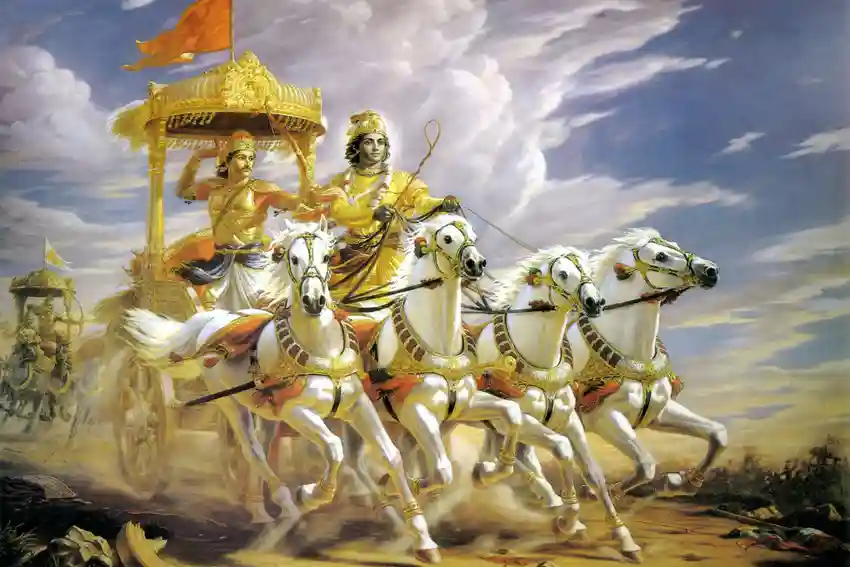
Many legends from the Mahabharata and other Puranas highlight its immense spiritual significance of Apara Ekadashi. Here are some legend and references: 1. Yudhishthira and bhagwan Krishna's Conversation In the Mahabharata, When Yudhishthira asks about the benefits of observing this Ekadashi conversation between Yudhishthira and bhagwan Krishna reveals the significance and benefits of Apara Ekadashi, bhagwan Krishna explains: “Deavotes who observe the Apara Ekadashi with devotion are absolved of all sins, including heinous acts such as killing a Brahmin or abandoning duties. This Ekadashi washes away sins committed knowingly or unknowingly and grants spiritual merit equivalent to taking a bath in the Ganga during a solar eclipse or donating cows and gold.” Lord Krishna also tells that the vrata can liberate even kings and warriors who died in battle, from the cycle of rebirth. 2. Legend of King Mahidhwaj and His Brother Vajra Dhwaj One lesser-known tale tied to the spirit of Apara Ekadashi speaks of King Mahidhwaj, a just and noble ruler. His jealous brother Vajradhwaj killed him and buried his body beneath a peepal tree. The king’s restless spirit haunted the area and one day a sage named Dattatreya came by. Upon sensing the presence of the troubled spirit, Sage Dattatreya kept Apara Ekadashi vrat and rituals for the king’s peace. The spirit was liberated and attained a heavenly abode. This story highlights how even the souls of the dead can benefit from the observance of Apara Ekadashi. 3. Ekadashi's Power to Erase Great Sins In many Puranic texts cited in the Mahabharata’s broader ecosystem (like the Brahmanda Purana), Apara Ekadashi is said to be especially powerful in freeing one from the karmic consequences of: Telling lies, Giving false witness, Cheating in business, Engaging in illicit relationships, And causing harm to others. This Ekadashi is also called ‘Achala Ekadashi’ in some regions, meaning "immovable" — indicating how firmly it grants liberation and merit when observed sincerely.

More Trending Topic

1 WEEK AGO By prajwal warkhade

Daily Puja Vidhi: A Simple Guide

A daily puja need not be elaborate to be meaningful, at its heart, it is a quiet, consistent act of gratitude and connection. Most traditions begin with cleaning the puja space and lighting a lamp (diya) and incense, followed by a short invocation asking for the presence and blessings of the chosen deity. Offerings such as flowers, water, a tilak of kumkum, and naivedya (food offered in devotion) are presented with folded hands, often accompanied by a favourite mantra or aarti. The order, purification, invocation, offering, and closing prayer, matters less than the sincerity behind it; even five focused minutes each morning can anchor the rest of the day. Many households keep a fixed time, typically at sunrise, to build the ritual into a steady habit rather than an occasional obligation. Ultimately, daily puja is less about ceremony and more about cultivating a regular pause for reflection, humility and gratitude amid life's routine.

1 WEEK AGO By prajwal warkhade

पतंजलींचे योगसूत्र: एक ओळख

दोन हजार वर्षांहूनही आधी महर्षी पतंजलींनी संकलित केलेले योगसूत्र हे शास्त्रीय योगदर्शनाचा एक मूलभूत ग्रंथ आहे, जो चार अध्यायांत मांडलेल्या १९६ संक्षिप्त सूत्रांच्या स्वरूपात सादर केला आहे. हा ग्रंथ केवळ शारीरिक आसनांची पुस्तिका नाही, तर योगाची व्याख्या 'चित्तवृत्तिनिरोध' — म्हणजेच मनाच्या चंचलतेला शांत करणे — अशी करतो, आणि त्या स्थैर्याकडे नेणारा पद्धतशीर मार्ग म्हणून अष्टांग योग, म्हणजेच आठ अंगांचा मार्ग मांडतो. ही आठ अंगे — यम (नैतिक संयम), नियम (वैयक्तिक आचरण), आसन (मुद्रा), प्राणायाम (श्वास नियंत्रण), प्रत्याहार (इंद्रियनिग्रह), धारणा (एकाग्रता), ध्यान (मनन) आणि समाधी (तल्लीनता) — बाह्य शिस्तीपासून आंतरिक जाणिवेकडे क्रमाक्रमाने घेऊन जातात. योगसूत्रे मानवी जीवनातील सार्वत्रिक संघर्षांना — विचलन, आसक्ती, भीती आणि अस्वस्थता — संबोधित करतात, आणि अमूर्त सिद्धांताऐवजी व्यावहारिक मार्गदर्शन देतात. आजही, जगभरातील योगसाधक पतंजलींच्या या चौकटीकडे केवळ शारीरिक सरावासाठीच नव्हे, तर मन अधिक चांगल्या प्रकारे समजून घेण्यासाठी आणि टिकाऊ आंतरिक स्थैर्य जोपासण्यासाठीही वळतात.

1 WEEK AGO By prajwal warkhade

पतंजलि के योग सूत्र: एक परिचय

दो हजार वर्ष से भी पहले महर्षि पतंजलि द्वारा संकलित योग सूत्र, शास्त्रीय योग दर्शन का एक मूल ग्रंथ है, जिसे चार अध्यायों में संगठित 196 संक्षिप्त सूत्रों के रूप में प्रस्तुत किया गया है। यह ग्रंथ केवल शारीरिक आसनों की पुस्तिका नहीं है, बल्कि योग को 'चित्त वृत्ति निरोध' — अर्थात मन की चंचलताओं को शांत करना — के रूप में परिभाषित करता है, और उस स्थिरता की ओर एक व्यवस्थित मार्ग के रूप में अष्टांग योग, यानी आठ अंगों वाले मार्ग को प्रस्तुत करता है। ये आठ अंग — यम (नैतिक संयम), नियम (व्यक्तिगत आचरण), आसन (मुद्रा), प्राणायाम (श्वास नियंत्रण), प्रत्याहार (इंद्रियों का निग्रह), धारणा (एकाग्रता), ध्यान (मनन) और समाधि (लीनता) — बाह्य अनुशासन से आंतरिक जागरूकता की ओर क्रमिक रूप से बढ़ते हैं। योग सूत्र मानव जीवन के सार्वभौमिक संघर्षों — विचलन, आसक्ति, भय और बेचैनी — को संबोधित करते हैं, और अमूर्त सिद्धांत के बजाय व्यावहारिक मार्गदर्शन प्रदान करते हैं। आज भी, विश्वभर के योग साधक पतंजलि के इस ढांचे की ओर न केवल शारीरिक अभ्यास को गहरा करने के लिए, बल्कि मन को बेहतर समझने और स्थायी आंतरिक स्थिरता विकसित करने के लिए भी देखते हैं।

1 WEEK AGO By prajwal warkhade

Yoga Sutras of Patanjali: An Introduction

Compiled by the sage Patanjali over two thousand years ago, the Yoga Sutras are a foundational text of classical yoga philosophy, presented as 196 concise aphorisms organised into four chapters. Far from being only a manual of physical postures, the text defines yoga as 'chitta vritti nirodha', the stilling of the fluctuations of the mind, and lays out the Ashtanga, or eight-limbed path, as a systematic route towards that stillness. These eight limbs, yama (ethical restraints), niyama (personal observances), asana (posture), pranayama (breath control), pratyahara (withdrawal of the senses), dharana (concentration), dhyana (meditation) and samadhi (absorption), move progressively from outward discipline to inward awareness. The Sutras address universal human struggles: distraction, attachment, fear and restlessness, offering practical guidance rather than abstract theory. Even today, practitioners of yoga around the world turn to Patanjali's framework not just to deepen a physical practice, but to better understand the mind and cultivate lasting inner steadiness.

1 WEEK AGO By prajwal warkhade

दुर्गा सप्तशती: माँ जगदंबा की महिमा

दुर्गा सप्तशती, जिसे देवी महात्म्य के नाम से भी जाना जाता है, सात सौ श्लोकों का एक पूजनीय ग्रंथ है जो दिव्य माँ की शक्ति को उनके अनेक रूपों में महिमामंडित करता है। मार्कंडेय पुराण के भाग के रूप में रचित यह ग्रंथ तीन मुख्य प्रसंगों का वर्णन करता है जिनमें देवी ब्रह्मांडीय संतुलन को पुनर्स्थापित करने के लिए प्रकट होती हैं — सबसे प्रसिद्ध रूप से महिषासुर नामक भैंसे के रूप वाले असुर के साथ उनका युद्ध, जिसके अत्याचार ने देवताओं को भी निराश कर दिया था। नवरात्रि के दौरान व्यापक रूप से पाठ किया जाने वाला यह ग्रंथ केवल बुराई पर विजय की कथा नहीं है; इसे शक्ति — ब्रह्मांड में व्याप्त और हर प्राणी में निवास करने वाली स्त्री सृजनात्मक तथा रक्षात्मक ऊर्जा — पर एक चिंतन माना जाता है। इसके तेरह अध्यायों में से प्रत्येक विशिष्ट आशीर्वादों से जुड़ा है, और भक्त प्रायः नवरात्रि की नौ रातों में इसका संपूर्ण पाठ भक्ति और आंतरिक शुद्धिकरण के कार्य के रूप में करते हैं। ग्रंथ में देवी की विजय अंततः यह स्मरण कराती है कि धर्मपूर्ण शक्ति, चाहे कितनी भी विलंबित क्यों न हो, अहंकार और अन्याय पर सदैव विजयी होती है।

1 WEEK AGO By prajwal warkhade

Durga Saptashati: The Glory of the Divine Mother

Durga Saptashati, also known as Devi Mahatmya, is a revered text of seven hundred verses that celebrates the power of the Divine Mother in her many forms. Composed as part of the Markandeya Purana, it narrates three principal episodes in which the Goddess emerges to restore cosmic balance, most famously her battle with the buffalo demon Mahishasura, whose tyranny had driven even the gods to despair. Recited widely during Navratri, the text is not simply a tale of victory over evil; it is regarded as a meditation on shakti, the feminine creative and protective energy that pervades the universe and resides within every being. Each of its thirteen chapters is associated with specific blessings, and devotees often undertake a complete recitation, or paath, over the nine nights of Navratri as an act of devotion and inner purification. The Goddess's triumph in the text is ultimately a reminder that righteous strength, however delayed, always prevails over arrogance and injustice.

1 WEEK AGO By prajwal warkhade

रामायण: दैनंदिन जीवनासाठी मुख्य शिकवणी

महर्षी वाल्मीकींनी रचलेली रामायण केवळ भगवान रामांच्या वनवासाची आणि रावणाशी झालेल्या युद्धाची कथा नाही — ती कर्तव्य, नातेसंबंध आणि धर्मपूर्ण जीवनासाठी एक समृद्ध मार्गदर्शक आहे. रामांची आपल्या वचनाप्रती असलेली अढळ बांधिलकी, त्याची वैयक्तिक किंमत कितीही मोठी असली तरी, सत्यनिष्ठेचे मूल्य दर्शवते; संकटांमध्ये सीतेची शांत शक्ती आणि प्रतिष्ठा हे धैर्याचे प्रतिबिंब आहे; आणि लक्ष्मणाची निःस्वार्थ निष्ठा, जी आपल्या भावासोबत वनवासात जाण्यातून दिसते, बंधुप्रेमाच्या शक्तीबद्दल बोलते. हनुमानजींची विनम्र पण निर्भय सेवा शिकवते की खरी शक्ती अहंकारात नव्हे तर भक्तीत आहे, तर शक्तिशाली रावणाचा अंतिम पाडाव हे स्मरण करून देतो की अहंकार आणि इतरांकडे दुर्लक्ष अखेर विनाशाकडे घेऊन जाते. केवळ धर्मग्रंथ म्हणून नव्हे तर मानवी चारित्र्याचा अभ्यास म्हणून वाचली जाणारी रामायण कौटुंबिक कर्तव्य, संयम, निष्ठा आणि योग्य ते करण्यासाठी आवश्यक असलेल्या शांत धैर्यावर व्यावहारिक शहाणपण देत राहते, मग ते कितीही कठीण का असेना.

1 WEEK AGO By prajwal warkhade

रामायण: दैनिक जीवन के लिए मुख्य शिक्षाएं

महर्षि वाल्मीकि द्वारा रचित रामायण केवल भगवान राम के वनवास और रावण के साथ उनके युद्ध की कथा नहीं है — यह कर्तव्य, संबंधों और धर्मपूर्ण जीवन के लिए एक समृद्ध मार्गदर्शिका है। राम की अपने वचन के प्रति अटूट प्रतिबद्धता, चाहे इसकी व्यक्तिगत कीमत कितनी भी बड़ी क्यों न हो, सत्यनिष्ठा के मूल्य को दर्शाती है; कठिनाइयों के बीच सीता की मौन शक्ति और गरिमा दृढ़ता को प्रतिबिंबित करती है; और लक्ष्मण की निःस्वार्थ निष्ठा, जो अपने भाई के साथ वनवास में जाने में झलकती है, भाइयों के बीच भक्ति की शक्ति को दर्शाती है। हनुमान जी की विनम्र किंतु निडर सेवा यह सिखाती है कि सच्ची शक्ति अहंकार में नहीं बल्कि भक्ति में निहित है, जबकि शक्तिशाली रावण का अंततः पतन यह स्मरण कराता है कि अहंकार और दूसरों की उपेक्षा अंततः विनाश की ओर ले जाती है। केवल धर्मग्रंथ के रूप में नहीं बल्कि मानव चरित्र के अध्ययन के रूप में पढ़ी जाने वाली रामायण पारिवारिक कर्तव्य, धैर्य, निष्ठा और सही कार्य करने के लिए आवश्यक मौन साहस पर व्यावहारिक ज्ञान प्रदान करती रहती है, चाहे वह कितना भी कठिन क्यों न हो।