Welcome to SARGANDHA • Join as a Partner →
Play
दैनिक पूजा विधि: एक सरल मार्गदर्शिका

दैनिक पूजा विधि: एक सरल मार्गदर्शिका

S

Sargandha admin

2 months ago

202 views ·2 months ago
#Spiritual

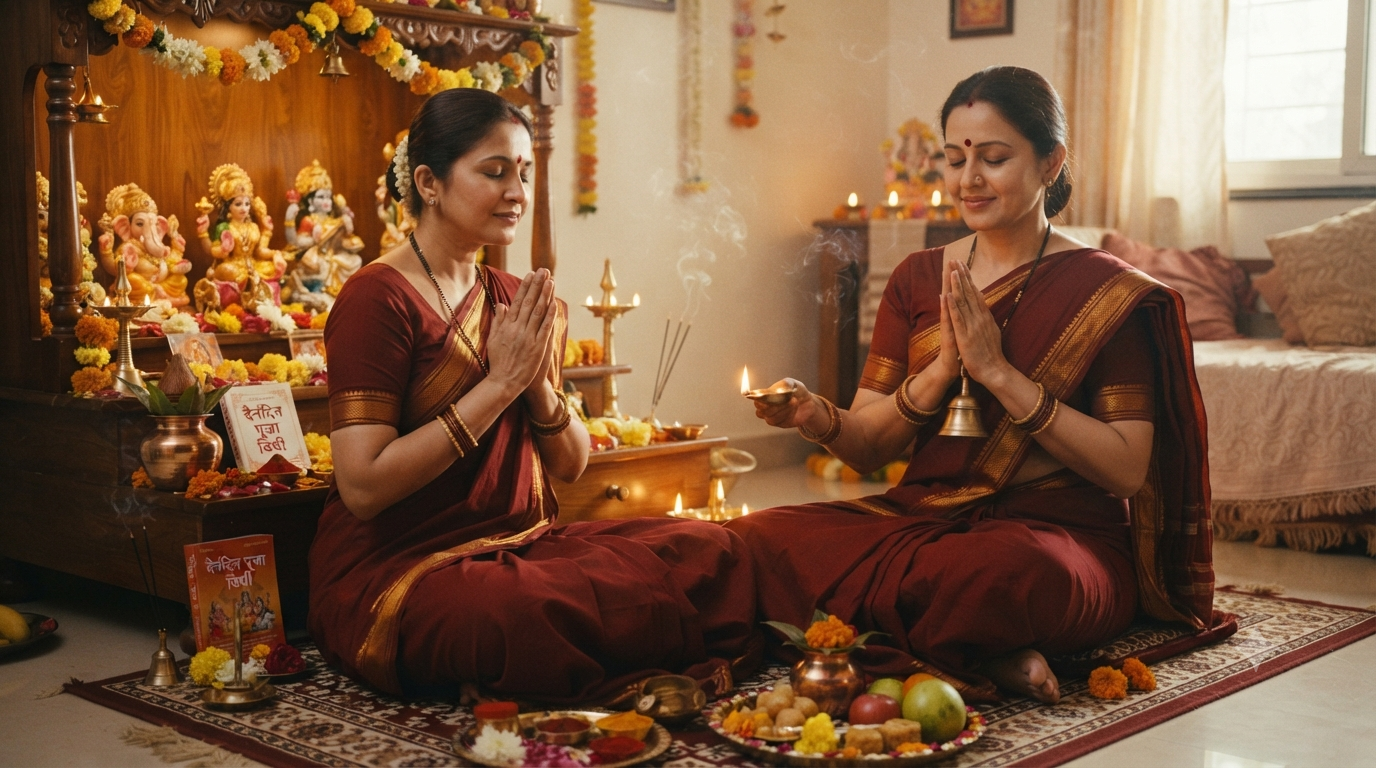
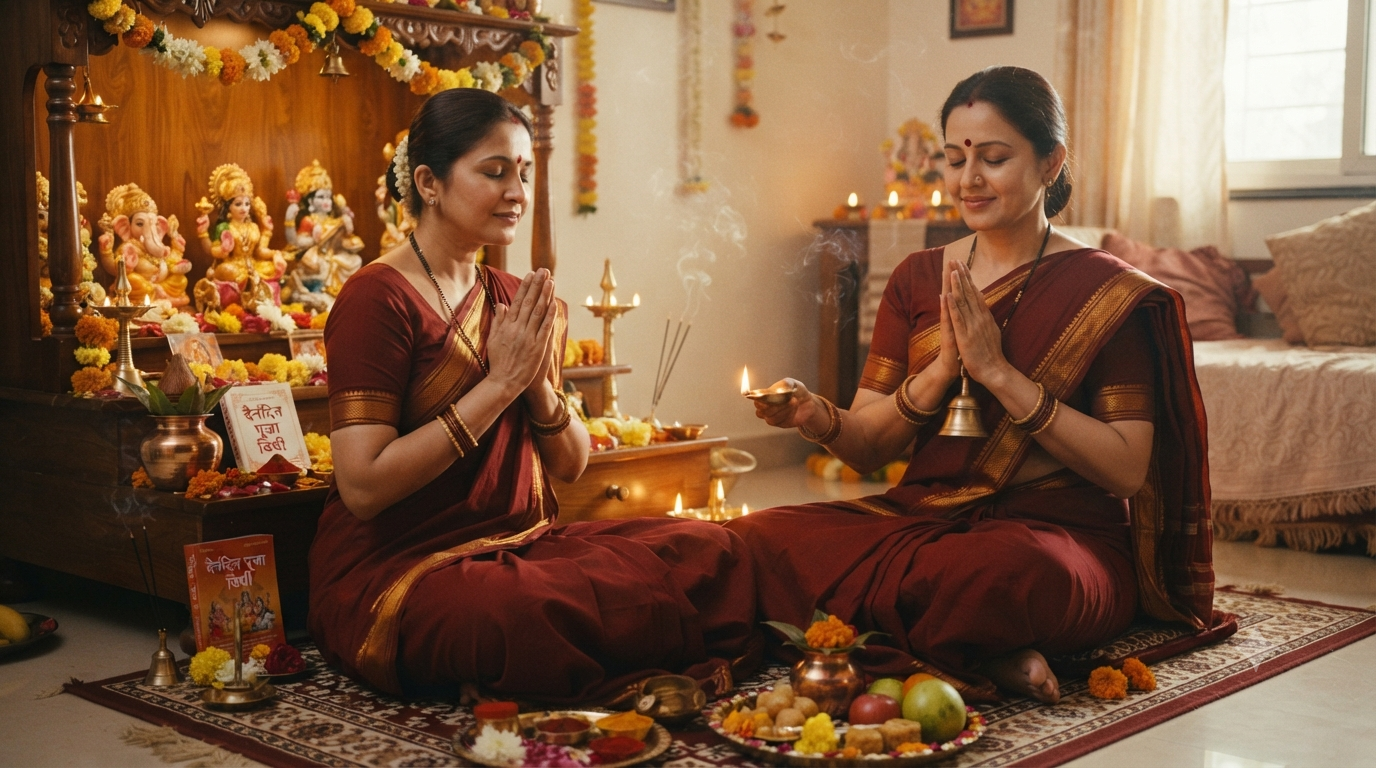
एक दैनिक पूजा को सार्थक होने के लिए विस्तृत होना आवश्यक नहीं है — इसके मूल में कृतज्ञता और जुड़ाव का एक शांत, निरंतर कार्य है। अधिकांश परंपराएं पूजा स्थान की सफाई और दीपक तथा धूप जलाने से शुरू होती हैं, इसके बाद चुने हुए देवता की उपस्थिति और आशीर्वाद के लिए एक संक्षिप्त आह्वान किया जाता है। फूल, जल, कुमकुम का तिलक और नैवेद्य (भक्तिभाव से अर्पित भोजन) जैसी वस्तुएं हाथ जोड़कर अर्पित की जाती हैं, प्रायः किसी प्रिय मंत्र या आरती के साथ। क्रम — शुद्धिकरण, आह्वान, अर्पण और समापन प्रार्थना — इसके पीछे की सच्ची भावना जितना महत्वपूर्ण नहीं है; हर सुबह के पांच एकाग्र मिनट भी शेष दिन को स्थिर कर सकते हैं। कई परिवार एक निश्चित समय, आमतौर पर सूर्योदय, रखते हैं ताकि यह अनुष्ठान कभी-कभार के दायित्व के बजाय एक स्थिर आदत बन सके। अंततः, दैनिक पूजा समारोह से कम और जीवन की दिनचर्या के बीच चिंतन, विनम्रता तथा कृतज्ञता के लिए एक नियमित विराम विकसित करने से अधिक संबंधित प्रस्तावना

भारतीय संस्कृति में पूजा-पाठ का विशेष महत्व है। सुबह उठकर भगवान का स्मरण करना और अपने घर के मंदिर में पूजा करना एक सुंदर आध्यात्मिक परंपरा है। दैनिक पूजा केवल धार्मिक अनुष्ठान नहीं, बल्कि मन को शांति देने, सकारात्मक विचारों को बढ़ावा देने और दिन की शुरुआत श्रद्धा के साथ करने का एक माध्यम भी है।

बहुत से लोग सोचते हैं कि रोज़ पूजा करने के लिए लंबी विधि या बहुत सारी सामग्री की आवश्यकता होती है। लेकिन वास्तव में, आप कुछ आवश्यक पूजा सामग्री और सरल विधि से घर पर प्रतिदिन भगवान की पूजा कर सकते हैं।

इस लेख में हम जानेंगे कि दैनिक पूजा कैसे करें, इसके लिए कौन-कौन सी सामग्री चाहिए और पूजा करते समय किन बातों का ध्यान रखना चाहिए।

1. सुबह उठकर भगवान का स्मरण करें

दैनिक पूजा की शुरुआत सुबह उठने के बाद भगवान का स्मरण करने से करें।

  • सुबह जल्दी उठने का प्रयास करें।
  • स्नान करके स्वच्छ वस्त्र पहनें।
  • पूजा स्थल को साफ रखें।
  • शांत मन से अपने इष्ट देव का ध्यान करें।

पूजा शुरू करने से पहले मन में श्रद्धा और सकारात्मक भाव रखना महत्वपूर्ण है।

2. पूजा स्थल की सफाई करें

घर के मंदिर या पूजा स्थान को प्रतिदिन साफ करना चाहिए।

  • भगवान की मूर्तियों और तस्वीरों को साफ कपड़े से साफ करें।
  • पूजा चौकी को स्वच्छ रखें।
  • पुराने और सूखे फूल हटा दें।
  • दीपक और अगरबत्ती रखने वाले स्थान को साफ करें।
  • ताजे फूलों से मंदिर को सजा सकते हैं।

स्वच्छ पूजा स्थल से पूजा का वातावरण सुंदर और शांतिपूर्ण बनता है।

3. दैनिक पूजा के लिए आवश्यक सामग्री

घर पर रोज़ पूजा करने के लिए कुछ सामान्य पूजा सामग्री की आवश्यकता होती है।

दैनिक पूजा सामग्री की सूची:

  1. दीपक (मिट्टी या पीतल का)
  2. घी या तिल का तेल
  3. रुई की बत्ती
  4. अगरबत्ती या धूपबत्ती
  5. कपूर
  6. रोली और कुमकुम
  7. अक्षत (साबुत चावल)
  8. चंदन
  9. ताजे फूल
  10. जल से भरा पात्र
  11. घंटी
  12. पूजा की थाली
  13. प्रसाद या फल

आप अपनी पारिवारिक परंपरा और इष्ट देव के अनुसार पूजा सामग्री में बदलाव कर सकते हैं।

4. दीपक जलाएं

पूजा की शुरुआत में भगवान के सामने दीपक जलाएं।

दीपक जलाने के लिए घी या तिल के तेल का उपयोग किया जा सकता है। रुई की स्वच्छ बत्ती का इस्तेमाल करें।

दीपक जलाते समय भगवान का स्मरण करें और अपने परिवार की सुख-शांति की प्रार्थना करें।

5. अगरबत्ती और धूप अर्पित करें

दीपक जलाने के बाद भगवान के सामने अगरबत्ती या धूप अर्पित करें।

अगरबत्ती की सुगंध पूजा स्थल में एक शांत और भक्तिमय वातावरण बनाने में मदद करती है।

आप अपनी पसंद के अनुसार चंदन, फूलों या प्राकृतिक सुगंध वाली अगरबत्ती का उपयोग कर सकते हैं।

6. भगवान को तिलक और फूल अर्पित करें

अब भगवान को रोली, कुमकुम या चंदन से तिलक लगाएं।

इसके बाद ताजे फूल या फूलों की माला अर्पित करें। अक्षत भी श्रद्धापूर्वक चढ़ाएं।

ध्यान रखें कि अलग-अलग देवी-देवताओं की पूजा में अर्पित की जाने वाली सामग्री और परंपराएं अलग हो सकती हैं।

7. मंत्र जाप और प्रार्थना करें

पूजा के दौरान अपने इष्ट देव के मंत्र का जाप करें।

कुछ सामान्य मंत्र:

गणेश मंत्र:

ॐ गं गणपतये नमः।

भगवान शिव मंत्र:

ॐ नमः शिवाय।

भगवान विष्णु मंत्र:

ॐ नमो भगवते वासुदेवाय।

मां दुर्गा मंत्र:

ॐ दुं दुर्गायै नमः।

आप अपनी श्रद्धा और समय के अनुसार 11, 21 या 108 बार मंत्र जाप कर सकते हैं।

8. भगवान की आरती करें

पूजा के अंत में भगवान की आरती करें।

आरती के समय घंटी बजाएं और पूरे मन से भगवान का ध्यान करें। परिवार के अन्य सदस्य भी आरती में शामिल हो सकते हैं।

आरती के बाद हाथ जोड़कर भगवान से परिवार की सुख-समृद्धि, स्वास्थ्य और शांति की प्रार्थना करें।

9. प्रसाद अर्पित करें और ग्रहण करें

पूजा के बाद भगवान को फल, मिश्री, मिठाई या घर में बना सात्विक प्रसाद अर्पित करें।

कुछ समय बाद प्रसाद को परिवार के सदस्यों में बांटें।

इससे पूजा का समापन श्रद्धा और प्रसन्नता के साथ होता है।

10. दैनिक पूजा में ध्यान रखने योग्य बातें

रोज़ पूजा करते समय इन सामान्य बातों का ध्यान रखें:

  • पूजा स्थल हमेशा साफ रखें।
  • पूजा में इस्तेमाल होने वाली सामग्री स्वच्छ होनी चाहिए।
  • बासी फूलों को मंदिर से हटा दें।
  • दीपक जलाते समय आग से सुरक्षा का ध्यान रखें।
  • पूजा के दौरान मन को शांत और एकाग्र रखें।
  • अपनी पारिवारिक और धार्मिक परंपराओं का सम्मान करें।
  • समय कम होने पर भी भगवान का स्मरण और छोटी-सी प्रार्थना अवश्य करें।

दैनिक पूजा में कितना समय देना चाहिए?

दैनिक पूजा के लिए कोई निश्चित समय अनिवार्य नहीं है। आप अपनी दिनचर्या के अनुसार 10 से 20 मिनट निकाल सकते हैं।

एक सरल दैनिक पूजा का समय इस प्रकार हो सकता है:

  • मंदिर की सफाई – 2 मिनट
  • दीपक और अगरबत्ती – 2 मिनट
  • तिलक और फूल अर्पण – 2 मिनट
  • मंत्र जाप और ध्यान – 5 मिनट
  • आरती और प्रार्थना – 5 मिनट

समय से अधिक महत्वपूर्ण श्रद्धा और नियमितता है।

निष्कर्ष (Conclusion)

दैनिक पूजा हमारे जीवन में भक्ति, अनुशासन और सकारात्मकता को बनाए रखने का एक सुंदर माध्यम है। घर पर रोज़ पूजा करने के लिए किसी कठिन विधि की आवश्यकता नहीं होती। स्वच्छता, श्रद्धा, दीपक, अगरबत्ती, फूल और भगवान का स्मरण ही एक सरल दैनिक पूजा के महत्वपूर्ण अंग हैं।

आप अपनी सुविधा और पारिवारिक परंपरा के अनुसार पूजा की विधि अपना सकते हैं। सबसे महत्वपूर्ण बात यह है कि पूजा पूरे मन और सच्ची श्रद्धा से की जाए।

Yugantar के साथ अपनी दैनिक पूजा को बनाएं और भी सरल और भक्तिमय।
More Trending News

Spiritual Dev Diwali 2026: Date, Significance, Puja Vidhi & Deep Daan Rituals
Pawan · 1 DAY AGO

Dev Diwali 2026: Date, Significance, Puja Vidhi & Deep Daan Rituals

Dev Diwali 2026: Date, Significance, Rituals, Deep Daan & Puja Samagri Dev Diwali, also known as Dev Deepawali or the Diwali of the Gods, is one of the most beautiful and spiritually significant festivals in Hindu tradition. Celebrated on Kartik Purnima, this auspicious occasion is associated with the victory of Lord Shiva over the demon Tripurasura. According to Hindu beliefs, the gods celebrate this divine victory by lighting lamps in the heavens. Devotees celebrate the occasion by lighting hundreds of diyas, performing prayers, offering Deep Daan and worshipping Lord Shiva and Lord Vishnu. The festival is especially famous in Varanasi, where the ghats of the holy River Ganga glow with thousands of earthen lamps, creating a magnificent spiritual atmosphere. Dev Diwali in 2026 will be celebrated on Tuesday, 24 November 2026, on the auspicious occasion of Kartik Purnima. Important Date and Timings: Festival: Dev Diwali / Dev Deepawali Date: Tuesday, 24 November 2026 Tithi: Kartik Shukla Purnima Purnima Tithi Begins: 11:42 PM on 23 November 2026 Purnima Tithi Ends: 8:23 PM on 24 November 2026 Deep Daan: Evening during Pradosh Kaal The Pradosh Kaal muhurat in Varanasi is 5:08 PM to 7:47 PM. Timings may vary depending on the location, so devotees should follow their local Panchang. What Is Dev Diwali? Dev Diwali literally means the Diwali of the Gods. It is celebrated fifteen days after the main Diwali festival, on the full moon day of Kartik month. Unlike the main Diwali festival, which is associated with the return of Lord Rama to Ayodhya and the worship of Goddess Lakshmi, Dev Diwali is particularly associated with Lord Shiva's victory over Tripurasura. Devotees believe that on this day the gods descend to Earth to celebrate the divine victory and take part in the festivities. Lighting diyas, offering prayers and performing Deep Daan are among the most important traditions of this festival. Religious Significance of Dev Diwali Dev Diwali holds great religious and spiritual importance in Hinduism. Some important beliefs associated with this festival include: It celebrates the victory of good over evil. It commemorates Lord Shiva's victory over Tripurasura. Lighting diyas symbolises the removal of darkness and ignorance. Deep Daan is considered a sacred act of devotion and charity. Kartik Purnima is considered an auspicious day for prayer, charity and holy bathing. Devotees worship Lord Shiva, Lord Vishnu and other deities on this occasion. The festival encourages people to follow the path of truth, devotion, kindness and righteousness. The Story Behind Dev Diwali According to Hindu mythology, three powerful demon brothers named Tarakaksha, Kamalaksha and Vidyunmali performed intense penance and received a boon to build three magnificent cities known as Tripura. These three cities were made of gold, silver and iron and became extremely powerful. The demons began troubling the gods and disturbing the balance of the universe. To protect the universe and restore peace, Lord Shiva took the form of Tripurantaka and destroyed the three cities with a single divine arrow. This victory is celebrated as Tripurari Purnima or Tripurotsav. According to tradition, the gods celebrated Lord Shiva's victory by lighting lamps. This divine celebration is remembered as Dev Diwali. Why Is Dev Diwali Famous in Varanasi? Varanasi, also known as Kashi, is one of the most sacred cities in Hinduism. Dev Diwali is celebrated on a grand scale along the ghats of the River Ganga. Thousands of devotees and visitors gather to witness the beautiful sight of illuminated ghats. The main attractions include: Lighting thousands of earthen diyas along the Ganga ghats. Performing Ganga Aarti. Offering Deep Daan to the holy river. Visiting temples and offering prayers. Participating in religious ceremonies and cultural programmes. The illuminated ghats create a peaceful and divine atmosphere that makes Dev Diwali a memorable experience. Dev Diwali Puja Samagri List Here is a useful checklist of commonly used puja samagri: Earthen diyas (mitti ke diye) Cotton wicks (batti) Pure ghee or diya oil Haldi and Kumkum Roli and Akshat Fresh flowers and garlands Agarbatti (incense sticks) Dhoop or Sambrani Kapoor (camphor) Panchamrit Fruits and sweets Coconut Betel leaves and betel nuts Gangajal Puja thali Brass bell Red or yellow cloth Water-filled kalash The exact requirements may differ according to family traditions and regional customs. Dev Diwali Puja Vidhi: How to Perform Puja at Home Devotees can celebrate Dev Diwali at home by following these traditional steps. 1. Clean the House and Puja Area 2. Take a Holy Bath 3. Worship Lord Shiva 4. Perform Vishnu Puja 5. Light Diyas 6. Perform Deep Daan 7. Perform Aarti What Is Deep Daan and Why Is It Important? Deep Daan means offering or donating a lighted lamp as a sacred act of devotion. It is one of the most important rituals of Dev Diwali. Devotees light earthen lamps and offer them at temples, riverbanks and other sacred places. According to Hindu beliefs, Deep Daan represents: Removal of darkness and ignorance. Spiritual awakening and positivity. Gratitude towards the divine. Devotion and selflessness. Prayers for peace and prosperity. If you are performing Deep Daan at home, use a clean and safe place for lighting diyas. Importance of Puja Essentials During Dev Diwali Every puja item has a special place in Hindu worship. Diya and Cotton Wicks: Used for lighting lamps and performing aarti. They symbolise light, devotion and positivity. Ghee: Traditionally used for lighting sacred diyas during religious ceremonies. Agarbatti: Creates a pleasant fragrance and a devotional atmosphere during worship. Sambrani and Dhoop: Traditionally used during puja and religious ceremonies. Kapoor: Commonly used during aarti as an offering to the deities. Haldi and Kumkum: Important traditional items used in Hindu rituals and worship. Preparing these essentials in advance helps devotees perform their rituals peacefully. Conclusion Dev Diwali is a beautiful festival that celebrates the victory of good over evil and the power of divine light. The sight of thousands of glowing diyas reminds us that even a small light can remove darkness. Whether you celebrate Dev Diwali at the holy ghats of Varanasi or in your own home, the true spirit of the festival lies in devotion, gratitude and kindness. Celebrate Dev Diwali 2026 with traditional puja rituals, beautiful earthen diyas and heartfelt prayers. May the divine light bring peace, happiness and prosperity to every home.

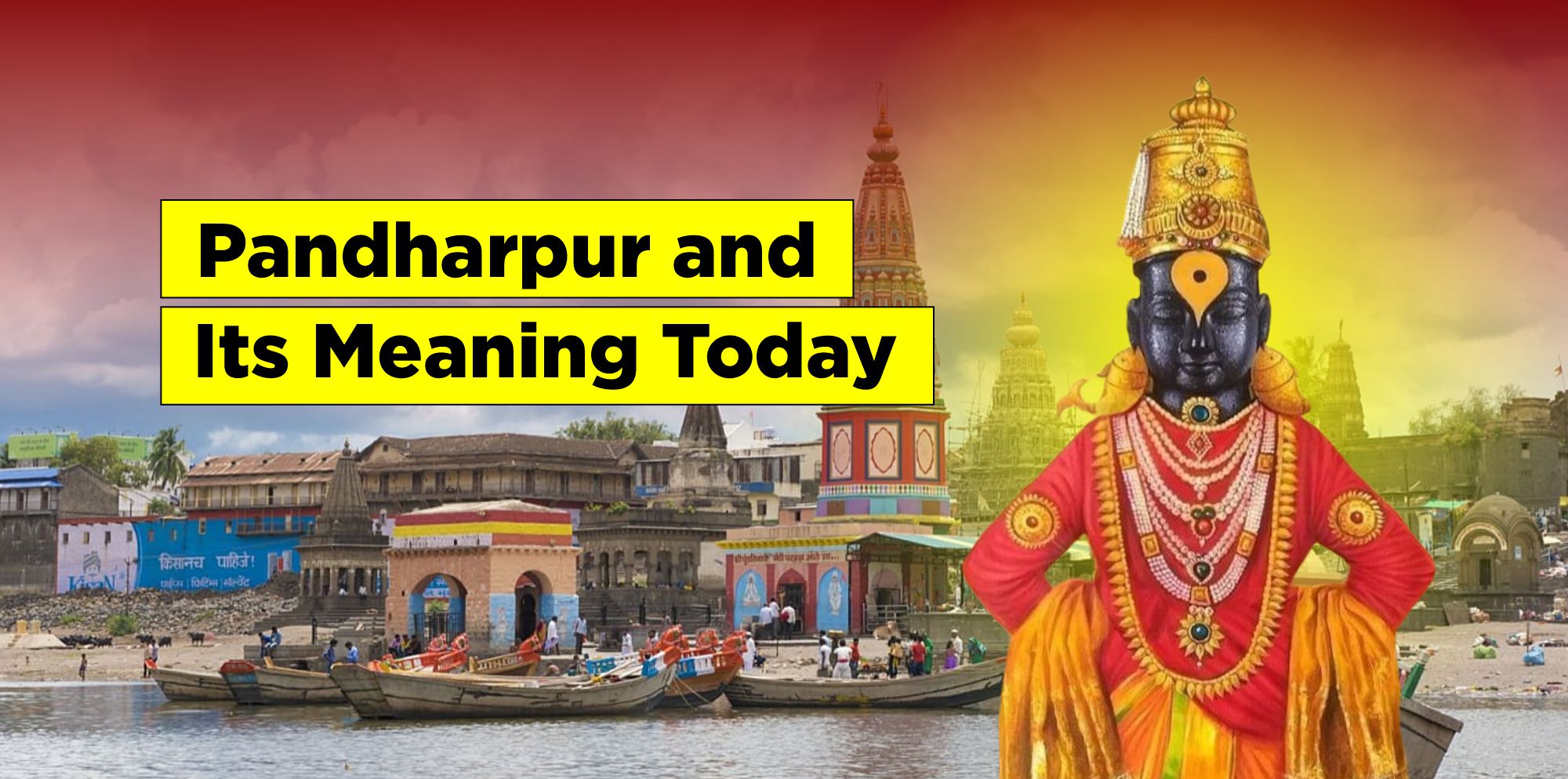
Trending News Pandharpur and Its Meaning Today
SARGANDHA · 1 YEAR AGO

Pandharpur and Its Meaning Today

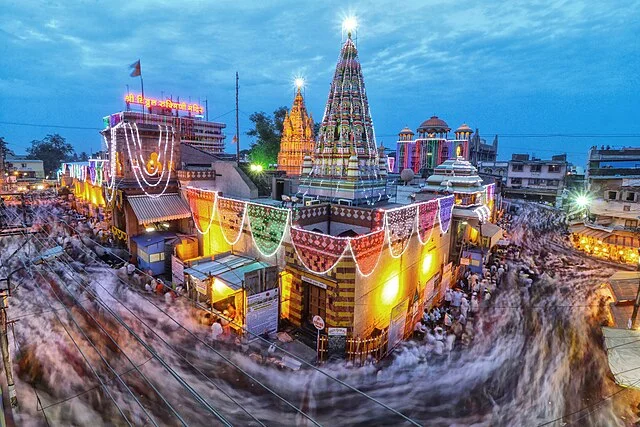
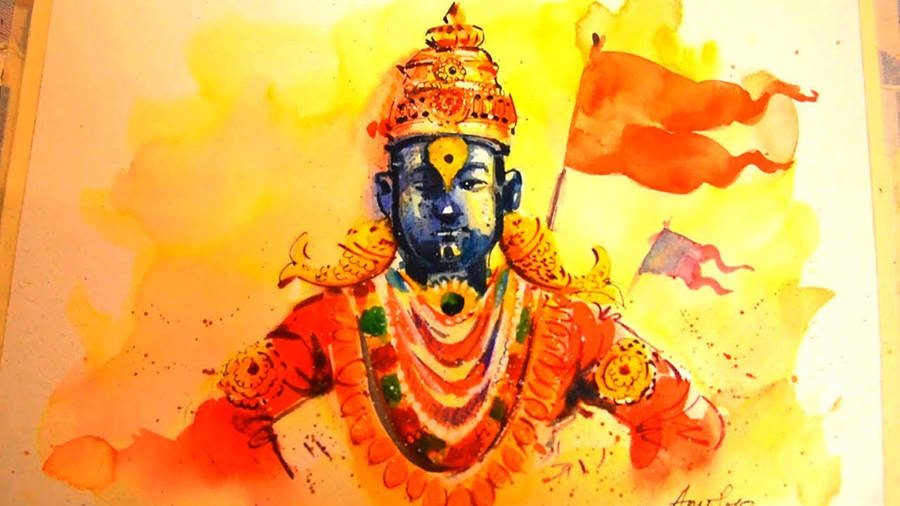
Pandharpur and Its Meaning Today Pandharpur and Its Meaning Today: In the heart of Maharashtra, nestled along the banks of the sacred Chandrabhaga River, lies a town that has, for centuries. Today, as the world races forward with technology and modern ideals, Pandharpur continues to stand still in time, not because it is outdated, but because it holds something the world is desperate to remember: the power of faith, simplicity, and human connection. It’s not a festival of extravagance, but of endurance. It’s not about reaching early, but reaching together. It’s in the songs sung along the way, the shared meals, the callused feet, and the unshaken smiles that the soul of Pandharpur reveals itself. In a world increasingly divided by class, opinion, and technology, Pandharpur reminds us what it means to walk in harmony. The Heartbeat of Devotion At the centre of it all is Vithoba, or Vitthal, the dark-skinned, standing-with-arms-akimbo form of Lord Krishna or Vishnu. He is a friend, a mother, a listener. “Mauli,” they call Him Mother. The kind of mother you can argue with, cry in front of, and lean on during the worst of times. There’s something uniquely comforting about Pandharpur’s temple. No gold domes, no opulent marble. Just stone floors worn smooth by countless pilgrim footsteps and a sanctum that resonates with raw, unscripted emotion. People don’t come here to ask for riches. They come to feel seen. Relevance in Today’s Times In today's world, where anxiety is high and real connections are low, Pandharpur offers a space where you don’t have to pretend. You don’t need fancy clothes, a high education, or the right vocabulary to pray. You just need a heart willing to bow and a soul ready to sing. Pandharpur teaches us humility, patience, community, and resilience, qualities we often forget in our busy lives. More Than Religion Even if you are not religious, a visit to Pandharpur touches something deep. Maybe it’s the way people help each other without asking. Maybe it’s the collective singing that drowns out your thoughts. Maybe it’s just the peace of seeing thousands of people united by something bigger than themselves. Whatever it is, Pandharpur doesn’t just stay in your memory. It stays in your heart.

Trending News Mohini Ekadashi – A Day to Cleanse the Mind and Soul
SARGANDHA · 1 YEAR AGO

Mohini Ekadashi – A Day to Cleanse the Mind and Soul

Introduction In our fast-moving lives, where we’re always chasing after something materialistic, money, success, comfort, there come a few days that remind us what really matters. Mohini Ekadashi is one such sacred day that occurs on the 11th day of the Shukla Paksha in the month of Vaishakh (April–May). On Mohini Ekadashi, devotees of the Bhangwan Vishnu observe fast, offer prayers, and seek blessings to be free from mistakes that happen unintentionally in the past and get closer to peace, purity, and ultimately—moksha, be released from the cycle of birth and death. The Story Behind Mohini Ekadashi – The Divine Trick That Saved the World Padma Purana has a beautiful story that explains why this day is so special. During the time of Samudra Manthan, many divine treasures emerged, when the Amrit finally surfaced the Devas and Asuras were started fighting for it—the essence of immortality and The Asuras, with their sheer might and cunning, were on the verge of claiming it To stop the demons from getting it, Lord Vishnu took the form of Mohini, a divinely beautiful woman. The beauty of Mohini caused the demons to lose all focus and then she cleverly gave the Amrit only to the gods, and restored the balance in the universe.  

Trending News India’s Grandest Temple Festival: What Makes Thrissur Pooram Unique
SARGANDHA · 1 YEAR AGO

India’s Grandest Temple Festival: What Makes Thrissur Pooram Unique

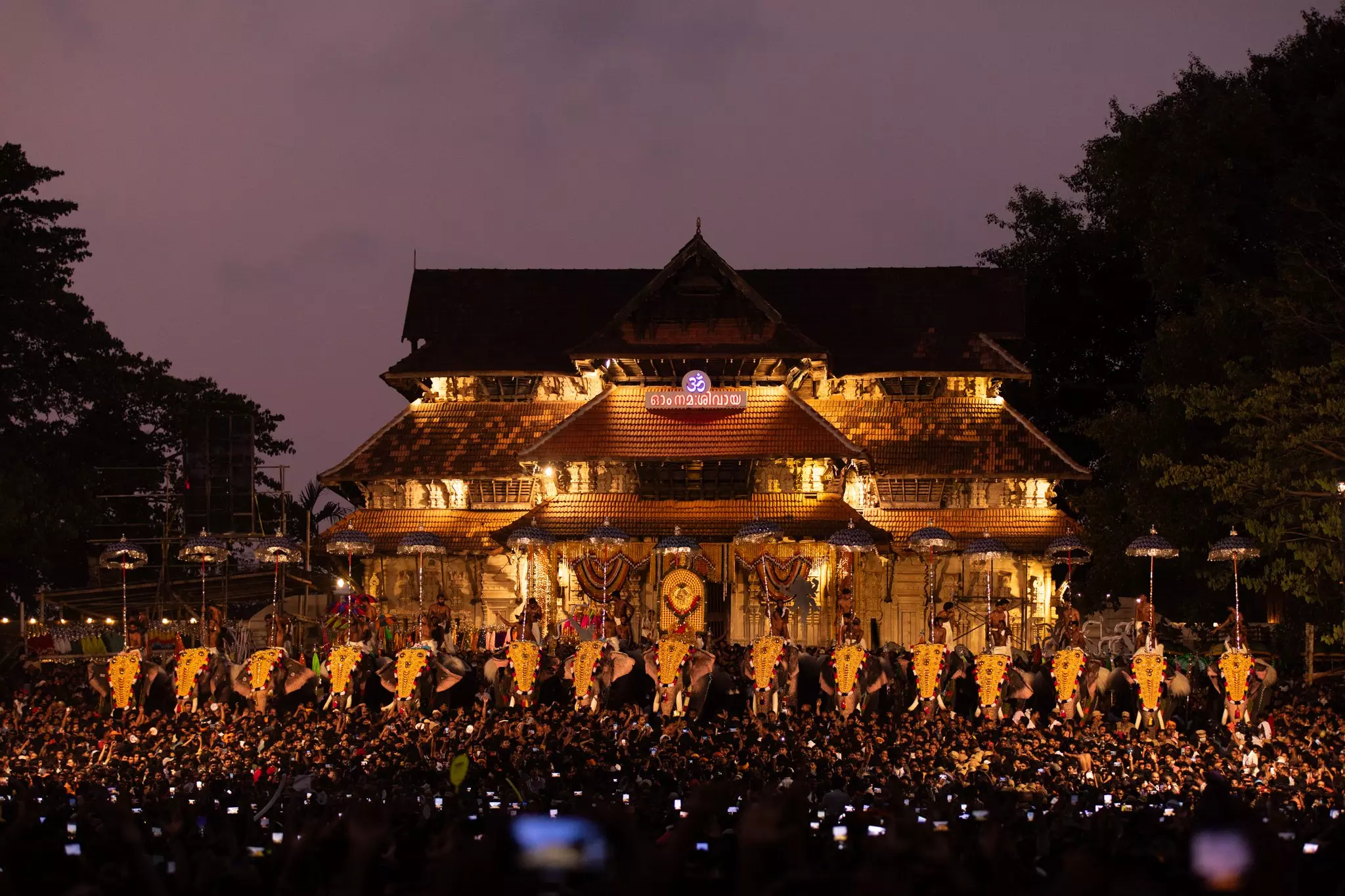
When it comes to temple festivals in India, there’s nothing quite like Thrissur Pooram. Held in the cultural capital of Kerala—Thrissur—this festival is not just big, it’s grand. Every year, the city transforms into a vibrant sea of color, sound, and tradition that leaves even first-time visitors speechless. But what exactly makes Thrissur Pooram so unique? Let’s start with the scale. Thrissur Pooram is also known as the “mother of all festivals” in Kerala, and for good reason. Imagine 50 majestic elephants, dressed in golden caparisons, lined up in front of the ancient Vadakkunnathan Temple. Add to that the thunderous beats of chenda melam (traditional drums), the dazzling kudamattom (colorful umbrella exchange), and an all-night fireworks display that lights up the sky—it’s a sensory overload in the best way possible. That spirit of inclusivity still shines today. The two main temple groups—Paramekkavu and Thiruvambady—compete to outdo each other, but with immense respect and collaboration. From the music to the elephants, everything is prepared with months of devotion, skill, and passion. Another beautiful aspect? Thrissur Pooram isn’t just for devotees—it’s for everyone. Locals, tourists, artists, and photographers all come together, united by a shared sense of wonder. Whether you're religious or not, there's something deeply moving about standing in the crowd, feeling the drums vibrate through your chest, and watching the sky burst with color. Thrissur Pooram is a festival that celebrates tradition, but also reinvention, unity, and the power of people coming together. It’s loud, proud, and unforgettable. So if you’ve never been, put it on your bucket list. Thrissur Pooram is not just a festival—it’s an emotion.

Trending News Foods That Help You Fast Smoothly
SARGANDHA · 1 YEAR AGO

Foods That Help You Fast Smoothly

In this blog, we share a list of foods that support your fast. 1. Milk & Milk-Based Products: Your Fasting friend Milk and dairy offer a rich source of protein, calcium, and good fats—making them perfect for keeping you full during a long fasting day. Include: Curd to aid digestion Buttermilk to cool the body Paneer for protein Lassi or warm turmeric milk to stay hydrated and nourished 2. Fruits: Nature’s Instant Energy Pack Fruits are light and easy to digest; they are also packed with natural sugars, fiber, and vitamins. They hydrate the body and prevent sugar crashes. Best fruits during fasting: Banana (sustains energy) Apple (refreshing and fibrous) Papaya (aids digestion) Watermelon or muskmelon (hydrating and cooling) tip: Mix fruits into a bowl or smoothie for a refreshing meal. 3. Sabudana: Small Balls, Big Energy Sabudana is a popular fasting food. It is high in carbohydrates and quickly provides energy. How to eat it: Sabudana khichdi with peanuts Sabudana vada Sabudana kheer with jaggery or rock sugar 4. Potatoes and Sweet Potatoes: These are rich in complex carbohydrates that keep you full. Sweet potatoes also contain fiber, potassium, and antioxidants. Suggestions: Boiled and seasoned with sendha namak Roasted or stir-fried in ghee Mixed into fasting-friendly tikkis or sabzis 5. Samak Rice: Samak rice, also known as “vrat ke chawal,” feels like rice without the heaviness. What you can make: Samak khichdi with peanuts Samak pulao with fasting veggies Samak kheer 6. Dry Fruits and Nuts: Instant Energy Boosters dry fruits like dates and raisins offer natural sugars. my fav: Almonds (soaked overnight) Cashews and walnuts Dates as a quick energy snack Raisins for sweetness in dishes 7. Sendha Namak (Rock Salt): Fasting-Friendly Seasoning Unlike regular salt, sendha namak is allowed during fasts and is easy on the stomach. 8. Coconut Water: Hydrate Naturally Hydration becomes very important during the fasting period, especially in warmer months.Thats why Avoid sugary or carbonated drinks. Better options include: Coconut water (rich in natural electrolytes) Ginger tea (aids digestion) Tulsi tea or lemon water (without salt or sugar) Bonus Tip: Use Ghee Mindfully A little pure desi ghee added to your meals can prevent acidity and promote digestion during fasts. It also enhances flavor and provides energy.

Spiritual दैनंदिन पूजा विधी: एक सोपी मार्गदर्शिका
Sargandha admin · 2 MONTHS AGO

दैनंदिन पूजा विधी: एक सोपी मार्गदर्शिका

दैनंदिन पूजा अर्थपूर्ण होण्यासाठी विस्तृत असण्याची गरज नाही — तिच्या मुळाशी कृतज्ञता आणि नात्याची एक शांत, सातत्यपूर्ण कृती आहे. बहुतेक परंपरा पूजास्थान स्वच्छ करून दिवा आणि उदबत्ती लावण्यापासून सुरू होतात, त्यानंतर निवडलेल्या देवतेच्या उपस्थितीसाठी आणि आशीर्वादासाठी एक संक्षिप्त आवाहन केले जाते. फुले, पाणी, कुंकवाचा टिळा आणि नैवेद्य (भक्तिभावाने अर्पण केलेले अन्न) यांसारख्या गोष्टी हात जोडून अर्पण केल्या जातात, अनेकदा एखाद्या आवडत्या मंत्रासह किंवा आरतीसह. क्रम — शुद्धीकरण, आवाहन, अर्पण आणि समारोपाची प्रार्थना — यामागील प्रामाणिक भावनेइतका महत्त्वाचा नाही; दररोज सकाळचे पाच एकाग्र मिनिटेही उर्वरित दिवस स्थिर ठेवू शकतात.  भारतीय संस्कृतीमध्ये दैनंदिन पूजेला विशेष महत्त्व आहे. सकाळी उठल्यानंतर देवाचे स्मरण करणे, देवघर स्वच्छ ठेवणे, दिवा लावणे आणि प्रार्थना करणे ही अनेक घरांमध्ये पिढ्यानपिढ्या चालत आलेली परंपरा आहे. दैनंदिन पूजा म्हणजे केवळ धार्मिक विधी नसून मन शांत ठेवण्याचा, कृतज्ञता व्यक्त करण्याचा आणि दिवसाची सुरुवात सकारात्मक विचारांनी करण्याचा एक सुंदर मार्ग आहे. रोजच्या पूजेसाठी खूप मोठे विधी किंवा भरपूर साहित्य आवश्यक नसते. श्रद्धा, स्वच्छता आणि मनापासून केलेली छोटीशी प्रार्थनाही महत्त्वाची असते. या लेखात आपण दैनंदिन पूजा विधी, पूजेसाठी आवश्यक साहित्य, पूजा करण्याची सोपी पद्धत आणि रोज म्हणता येणारे काही मंत्र जाणून घेणार आहोत. 1. सकाळी उठल्यानंतर देवाचे स्मरण करा दिवसाची सुरुवात शांत मनाने आणि देवाच्या स्मरणाने करावी. सकाळी उठल्यानंतर आपल्या श्रद्धेनुसार इष्टदेवतेचे स्मरण करा. त्यानंतर स्नान करून स्वच्छ कपडे परिधान करा. पूजा करण्यापूर्वी हात-पाय स्वच्छ धुऊन देवघरात जावे. 2. देवघर स्वच्छ करा दैनंदिन पूजेतील पहिली महत्त्वाची गोष्ट म्हणजे देवघराची स्वच्छता. देवघरातील देवांच्या मूर्ती आणि फोटो स्वच्छ ठेवा. पूजेचे आसन आणि पाट स्वच्छ ठेवा. मागील दिवसाची फुले काढून टाका. पूजेची भांडी स्वच्छ ठेवा. देवघरात ताज्या फुलांची सजावट करा. स्वच्छ आणि नीटनेटके देवघर मनाला प्रसन्नता देते. 3. दैनंदिन पूजेसाठी आवश्यक साहित्य रोजच्या पूजेसाठी खालील साहित्य उपयोगी पडते. देवाच्या मूर्ती किंवा फोटो पूजेची थाळी तांब्या किंवा पाण्याचे पात्र दिवा तूप किंवा तेल कापसाच्या वाती अगरबत्ती किंवा धूप हळद आणि कुंकू अक्षता (तांदूळ) ताजी फुले चंदन किंवा गंध घंटा नैवेद्यासाठी फळे किंवा गोड पदार्थ कापूर आणि आरतीचे साहित्य आपल्या घरातील परंपरा आणि श्रद्धेनुसार या साहित्यामध्ये बदल करू शकता. 4. दिवा लावा दैनंदिन पूजेमध्ये दिवा लावण्याला विशेष महत्त्व आहे. स्वच्छ दिव्यामध्ये तूप किंवा तेल घालून कापसाची वात लावा. आपल्या घरातील परंपरेनुसार देवासमोर दिवा प्रज्वलित करा. दिवा लावताना पुढील मंत्र म्हणू शकता: शुभं करोति कल्याणम् आरोग्यं धनसंपदा। शत्रुबुद्धिविनाशाय दीपज्योतिर्नमोऽस्तुते॥ या मंत्राद्वारे आपण शुभता, आरोग्य आणि कल्याणासाठी प्रार्थना करतो. 5. अगरबत्ती किंवा धूप लावा दिवा लावल्यानंतर अगरबत्ती किंवा धूप लावू शकता. अगरबत्ती आणि धूप यांचा सुगंध पूजेच्या वातावरणाला प्रसन्न बनवतो. आपल्या आवडीनुसार चंदन, फुलांचा किंवा इतर सुगंध निवडू शकता. काही घरांमध्ये सकाळच्या पूजेमध्ये धूप, धुनी किंवा सांब्राणी कपांचाही वापर केला जातो. 6. देवाला हळद, कुंकू, अक्षता आणि फुले अर्पण करा पूजेच्या वेळी आपल्या परंपरेनुसार देवाला हळद, कुंकू, चंदन, अक्षता आणि ताजी फुले अर्पण करा. फुले अर्पण करताना मनात आपल्या कुटुंबाच्या सुख-समृद्धीसाठी आणि सर्वांच्या कल्याणासाठी प्रार्थना करा. प्रत्येक देवतेच्या पूजेमध्ये अर्पण करण्याची पद्धत वेगळी असू शकते. त्यामुळे आपल्या घरातील परंपरेचे पालन करावे. 7. देवाला नैवेद्य दाखवा दैनंदिन पूजेमध्ये देवाला नैवेद्य अर्पण करण्याची प्रथा आहे. नैवेद्यासाठी खालील पदार्थ वापरू शकता: साखर किंवा खडीसाखर फळे दूध गूळ घरात तयार केलेला गोड पदार्थ आपल्या परंपरेनुसार सात्त्विक अन्न नैवेद्य अर्पण करताना देवाचे स्मरण करून मनापासून प्रार्थना करा. 8. मंत्रजप आणि प्रार्थना करा पूजेदरम्यान काही वेळ शांत बसून मंत्रजप किंवा देवाचे नामस्मरण करावे. आपल्या श्रद्धेनुसार खालील मंत्र म्हणू शकता: श्री गणेश मंत्र: ॐ गं गणपतये नमः॥ श्री विष्णू मंत्र: ॐ नमो भगवते वासुदेवाय॥ शिव मंत्र: ॐ नमः शिवाय॥ गायत्री मंत्र: ॐ भूर्भुवः स्वः। तत्सवितुर्वरेण्यं। भर्गो देवस्य धीमहि। धियो यो नः प्रचोदयात्॥ यापैकी आपल्या इष्टदेवतेचा मंत्र किंवा आवडता मंत्र श्रद्धेने म्हणू शकता. 9. देवाची आरती करा पूजेच्या शेवटी आपल्या घरातील परंपरेनुसार देवाची आरती करावी. आरतीसाठी कापूर किंवा तुपाचा दिवा वापरू शकता. आरती म्हणताना घंटा वाजवून संपूर्ण कुटुंबाने सहभागी व्हावे. आरतीनंतर देवाला नमस्कार करून प्रसाद सर्वांना वाटावा. 10. पूजेनंतर प्रसाद ग्रहण करा पूजा पूर्ण झाल्यानंतर देवाला अर्पण केलेला नैवेद्य प्रसाद म्हणून ग्रहण करावा. प्रसाद कुटुंबातील सदस्यांना आणि शक्य असल्यास इतरांनाही वाटावा. अशा प्रकारे रोजची साधी आणि सात्त्विक पूजा पूर्ण होते. दैनंदिन पूजा किती वेळ करावी? दैनंदिन पूजेसाठी ठरावीक वेळेची सक्ती नाही. आपल्या वेळेनुसार आणि घरातील परंपरेनुसार पूजा करू शकता. 5 मिनिटे: देवाचे स्मरण, दिवा लावणे आणि नमस्कार. 10 ते 15 मिनिटे: दिवा, अगरबत्ती, फुले, मंत्रजप आणि आरती. 20 ते 30 मिनिटे: संपूर्ण पूजा, मंत्रजप, नैवेद्य आणि आरती. महत्त्वाचे म्हणजे पूजा घाईघाईने न करता शांत मनाने आणि श्रद्धेने करावी. दैनंदिन पूजा करताना लक्षात ठेवण्याच्या महत्त्वाच्या गोष्टी पूजा करण्यापूर्वी स्वच्छता आणि शुद्धतेची काळजी घ्या. देवघर नियमित स्वच्छ ठेवा. दिवा आणि अगरबत्ती सुरक्षित ठिकाणी लावा. पूजेचे साहित्य स्वच्छ आणि व्यवस्थित ठेवा. आपल्या घरातील धार्मिक परंपरांचे पालन करा. पूजा करताना मन शांत आणि प्रसन्न ठेवा. एखाद्या दिवशी वेळ कमी असल्यास देवाचे स्मरण आणि छोटी प्रार्थना अवश्य करा. निष्कर्ष दैनंदिन पूजा हा आपल्या भारतीय संस्कृतीचा एक सुंदर भाग आहे. रोज सकाळी काही मिनिटे देवाचे स्मरण करणे, दिवा लावणे, फुले अर्पण करणे आणि प्रार्थना करणे यामुळे दिवसाची सुरुवात शांततेने करता येते. पूजेसाठी मोठ्या विधींची आवश्यकता नसते. मनातील श्रद्धा, स्वच्छता आणि कृतज्ञता या गोष्टी अधिक महत्त्वाच्या आहेत. आपल्या घरातील परंपरेनुसार रोजची पूजा करा आणि आपल्या कुटुंबासोबत भक्ती, संस्कार आणि सकारात्मकतेची ही सुंदर परंपरा जपून ठेवा. Yugantar सोबत आपल्या दैनंदिन पूजेसाठी आवश्यक पूजा साहित्य एकाच ठिकाणी शोधा आणि भक्तीची परंपरा जपा.

Spiritual Daily Puja Vidhi: A Simple Guide
Sargandha admin · 2 MONTHS AGO

Daily Puja Vidhi: A Simple Guide

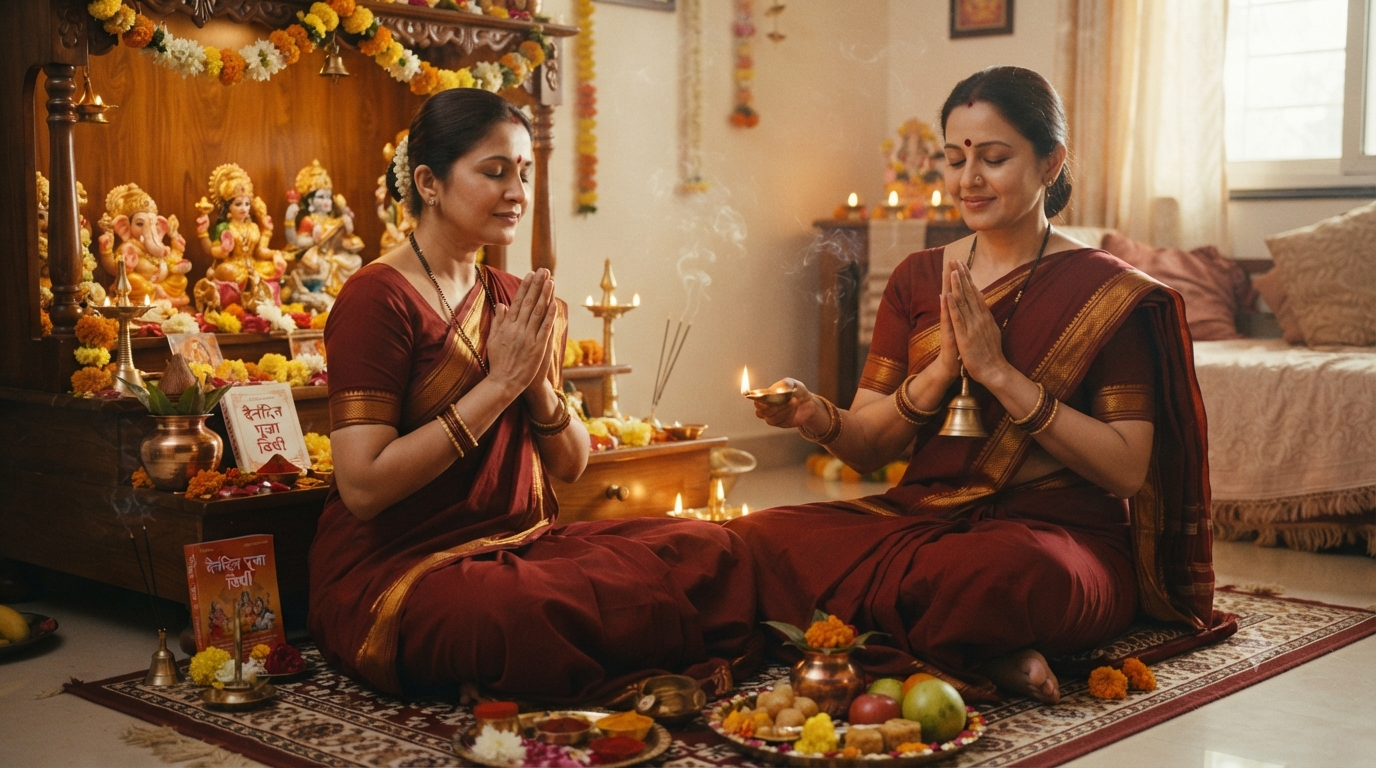
A daily puja need not be elaborate to be meaningful, at its heart, it is a quiet, consistent act of gratitude and connection. Most traditions begin with cleaning the puja space and lighting a lamp (diya) and incense, followed by a short invocation asking for the presence and blessings of the chosen deity. Offerings such as flowers, water, a tilak of kumkum, and naivedya (food offered in devotion) are presented with folded hands, often accompanied by a favourite mantra or aarti. The order, purification, invocation, offering, and closing prayer, matters less than the sincerity behind it; even five focused minutes each morning can anchor the rest of the day. Many households keep a fixed time, typically at sunrise, to build the ritual into a steady habit rather than an occasional obligation. Ultimately, daily puja is less about ceremony and more about cultivating a regular pause for reflection, humility and gratitude amid life's routine. Daily puja is an important part of Indian culture and Hindu traditions. Beginning the day with prayers and remembering God brings a sense of peace, devotion and positivity into our daily lives. Many people believe that performing puja requires a long ritual or an extensive collection of पूजा materials. However, daily worship can be simple and meaningful with a few essential puja items and sincere devotion. Whether you have a dedicated home temple or a small prayer corner, you can follow a simple daily puja routine according to your family traditions. In this guide, we will explain the daily puja vidhi, essential puja samagri and simple steps to perform worship at home. 1. Wake Up and Remember God Traditionally, daily puja begins with remembering God after waking up in the morning. Wake up early whenever possible. Take a bath and wear clean clothes. Begin your day with a peaceful mind. Remember your Ishta Devta (chosen deity). Prepare yourself for prayer and worship. Starting the morning with gratitude and devotion helps create a positive mindset. 2. Clean Your Home Temple Before beginning puja, clean your home temple or prayer area. Follow these simple steps: Clean the puja platform and surrounding area. Wipe the idols and pictures with a clean, soft cloth. Remove old flowers and dried leaves. Clean the diya and incense holder. Arrange fresh flowers and puja items neatly. A clean and organised prayer space creates a peaceful environment for worship. 3. Essential Puja Samagri for Daily Worship You do not need many items for daily puja. Some basic puja essentials are enough to follow a simple worship routine. Daily Puja Samagri Checklist Diya (oil or ghee lamp) Cotton wicks (Batti) Ghee or sesame oil Agarbatti (incense sticks) Dhoop or Sambrani Camphor (Kapoor) Roli and Kumkum Akshat (uncooked rice) Chandan (sandalwood paste) Fresh flowers Water in a small vessel Puja thali Bell (Ghanti) Prasad or fruits You can choose the items according to your family traditions and the deity you worship. 4. Light the Diya Lighting a diya is one of the most important parts of traditional Hindu worship. Place a clean diya in front of the deity and use a cotton wick with ghee or oil. While lighting the diya, remember God and pray for peace, happiness and prosperity for your family. A diya symbolises light, knowledge and the removal of darkness. 5. Offer Agarbatti and Dhoop After lighting the diya, offer agarbatti or dhoop to the deity. The pleasant fragrance of incense creates a devotional atmosphere in the prayer area. You can choose from different varieties, such as: Traditional agarbatti Bambooless incense sticks Natural incense Dhoop sticks Sambrani cups Use incense products according to your preference and ensure proper ventilation. 6. Apply Tilak and Offer Flowers Apply roli, kumkum or chandan tilak to the deity according to your tradition. Next, offer fresh flowers or a flower garland. You can also offer akshat (uncooked rice) as part of the worship. Different deities may have different traditional offerings, so follow the customs practised in your family. 7. Chant Mantras and Pray Mantra chanting is an important part of daily puja. It helps bring focus and devotion during worship. Here are some commonly recited Hindu mantras: Lord Ganesha Mantra Om Gan Ganapataye Namah. Lord Shiva Mantra Om Namah Shivaya. Lord Vishnu Mantra Om Namo Bhagavate Vasudevaya. Goddess Durga Mantra Om Dum Durgaye Namah. You may chant your preferred mantra 11, 21 or 108 times, depending on your time and tradition. Even a few minutes of sincere prayer can make your daily worship meaningful. 8. Perform Aarti Aarti is generally performed towards the end of daily puja. Light the camphor or use an aarti diya, according to your family tradition. Move the aarti plate gently in front of the deity while singing devotional aarti. You may ring the temple bell during aarti and invite family members to participate. After completing the aarti, fold your hands and pray for the well-being of your family. 9. Offer Prasad After completing the prayers, offer prasad to God. Some common offerings include: Fresh fruits Mishri Homemade sweets Dry fruits Traditional homemade prasad After offering it to the deity, distribute the prasad among family members. This completes the daily puja with gratitude and devotion. 10. Important Things to Remember During Daily Puja Here are some simple practices to maintain during everyday worship: Keep the home temple clean. Use clean puja utensils and materials. Remove dried flowers regularly. Keep the diya in a safe place. Avoid leaving burning incense unattended. Maintain a peaceful environment during prayers. Follow your family traditions. Perform puja with sincerity rather than focusing only on rituals. How Much Time Should You Spend on Daily Puja? There is no fixed duration for daily puja. You can decide the time according to your daily routine. Here is an example of a simple 15-minute morning puja routine: Puja Activity Time Cleaning the temple 2 minutes Lighting diya and agarbatti 2 minutes Offering flowers and tilak 2 minutes Mantra chanting and prayer 5 minutes Aarti and prasad 4 minutes Total 15 minutes The most important part of daily worship is devotion and consistency, not the number of minutes spent. Conclusion Daily puja is a beautiful way to begin your day with faith, gratitude and devotion. You do not need complicated rituals or an elaborate arrangement to worship at home. A clean prayer space, a diya, agarbatti, fresh flowers, simple prayers and sincere devotion are enough to create a meaningful daily worship routine. Follow the puja practices that suit your family traditions and make daily worship a peaceful part of your everyday life. Make your daily worship more meaningful with Yugantar – Your destination for essential puja samagri and devotional products.

Spiritual पतंजलींचे योगसूत्र: एक ओळख
Sargandha admin · 2 MONTHS AGO

पतंजलींचे योगसूत्र: एक ओळख

दोन हजार वर्षांहूनही आधी महर्षी पतंजलींनी संकलित केलेले योगसूत्र हे शास्त्रीय योगदर्शनाचा एक मूलभूत ग्रंथ आहे, जो चार अध्यायांत मांडलेल्या १९६ संक्षिप्त सूत्रांच्या स्वरूपात सादर केला आहे. हा ग्रंथ केवळ शारीरिक आसनांची पुस्तिका नाही, तर योगाची व्याख्या 'चित्तवृत्तिनिरोध' — म्हणजेच मनाच्या चंचलतेला शांत करणे — अशी करतो, आणि त्या स्थैर्याकडे नेणारा पद्धतशीर मार्ग म्हणून अष्टांग योग, म्हणजेच आठ अंगांचा मार्ग मांडतो. ही आठ अंगे — यम (नैतिक संयम), नियम (वैयक्तिक आचरण), आसन (मुद्रा), प्राणायाम (श्वास नियंत्रण), प्रत्याहार (इंद्रियनिग्रह), धारणा (एकाग्रता), ध्यान (मनन) आणि समाधी (तल्लीनता) — बाह्य शिस्तीपासून आंतरिक जाणिवेकडे क्रमाक्रमाने घेऊन जातात. योगसूत्रे मानवी जीवनातील सार्वत्रिक संघर्षांना — विचलन, आसक्ती, भीती आणि अस्वस्थता — संबोधित करतात, आणि अमूर्त सिद्धांताऐवजी व्यावहारिक मार्गदर्शन देतात. आजही, जगभरातील योगसाधक पतंजलींच्या या चौकटीकडे केवळ शारीरिक सरावासाठीच नव्हे, तर मन अधिक चांगल्या प्रकारे समजून घेण्यासाठी आणि टिकाऊ आंतरिक स्थैर्य जोपासण्यासाठीही वळतात.