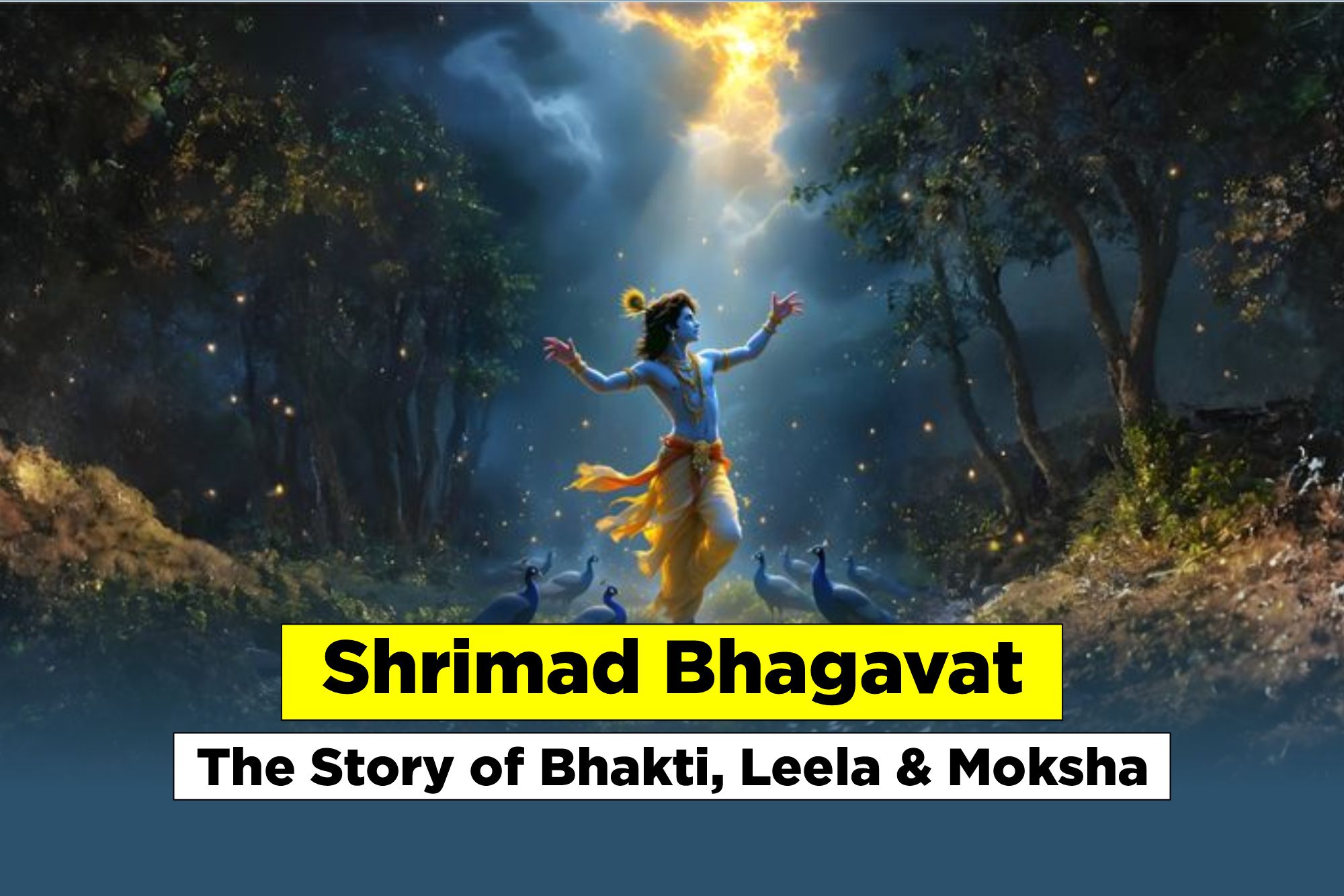
Shrimad Bhagavat : The Story of Bhakti, Leela and Moksha Shrimad Bhagavat: The Story of Bhakti, Leela and Moksha : The Shrimad Bhagavat is not just a scripture, it is the heart of devotion in Sanatan Dharma. It is the most beautiful expression of pure bhakti where stories touch the soul and teachings guide the seeker. What is the Shrimad Bhagavat? The Shrimad Bhagavat is one of the 18 Mahapuranas and is dedicated entirely to Bhagwan Vishnu and his incarnations, especially Shri Krishna. Composed by: Sage Ved Vyasa Language: Sanskrit Verses: Over 18,000 shlokas Structure: Divided into 12 Cantos (Skandhas) It is not a dry philosophical book, but a living river of divine stories, songs, and wisdom. Key Themes of the Bhagavat 1. Bhakti is Supreme The Bhagavat teaches that in the Kaliyuga, the simplest and most effective path to Moksha (liberation) is devotion to God — especially through hearing, chanting, and remembering His name. 2. Leela (Divine Play of God) The text contains Krishna Leela — the childhood, youth, and divine acts of Bhagwan Krishna that fill the heart with love and awe. 3. Moksha (Liberation) The Shrimad Bhagavat shows that loving God without desire for reward leads to the highest bliss and freedom from the cycle of birth and death. Highlights from the 12 Skandhas (Cantos) Skandha Summary 1 Introduction, birth of Parikshit, Vyasa's restlessness, Narada's guidance 2 Description of cosmic form (Virat Purusha), beginnings of creation 3 Story of Kapila Muni and Devahuti — Sankhya philosophy 4 Stories of Dhruva and King Prithu 5 Tale of King Rishabhdev and his son Bharat 6 Salvation of Ajamila through “Narayan” naam 7 Story of Prahlad and Narasimha Avatar 8 Vamana Avatar, churning of the ocean (Samudra Manthan) 9 Genealogies of kings, birth of Lord Rama 10 Krishna Leela — birth, childhood, Ras Leela, killing of Kansa, Dwaraka 11 Uddhava Gita — Krishna’s final teachings before leaving Earth 12 Kaliyuga’s characteristics, closing prophecies and moksha path The Power of Listening The Bhagavat emphasizes Shravan — the act of listening to stories of God with love and faith. It is believed ]by listening to Shrimad Bhagavat, one can cleanse their mind, awaken bhakti, and attain liberation. “Sravanam kirtanam Visnoh smaranam…” — (Bhagavat 7.5.23) The nine forms of devotion begin with listening to stories of God. Saints like Tulsidas, Chaitanya Mahaprabhu, Vallabhacharya, and others drew deep inspiration from it. Today, people host Bhagavat Saptah — for spiritual growth, peace, or memory of a loved one. Relevance in Modern Life In a world full of stress and materialism, the Bhagavat brings us back to the simplicity of love and surrender. Its stories teach us to: Live with compassion (like Krishna) Serve parents and guru (like Dhruva) Chant the Divine Name with faith (like Ajamila) Stay humble and loving in devotion “Krishna’s pastimes are not mythology — they are the doorway to spiritual joy.”
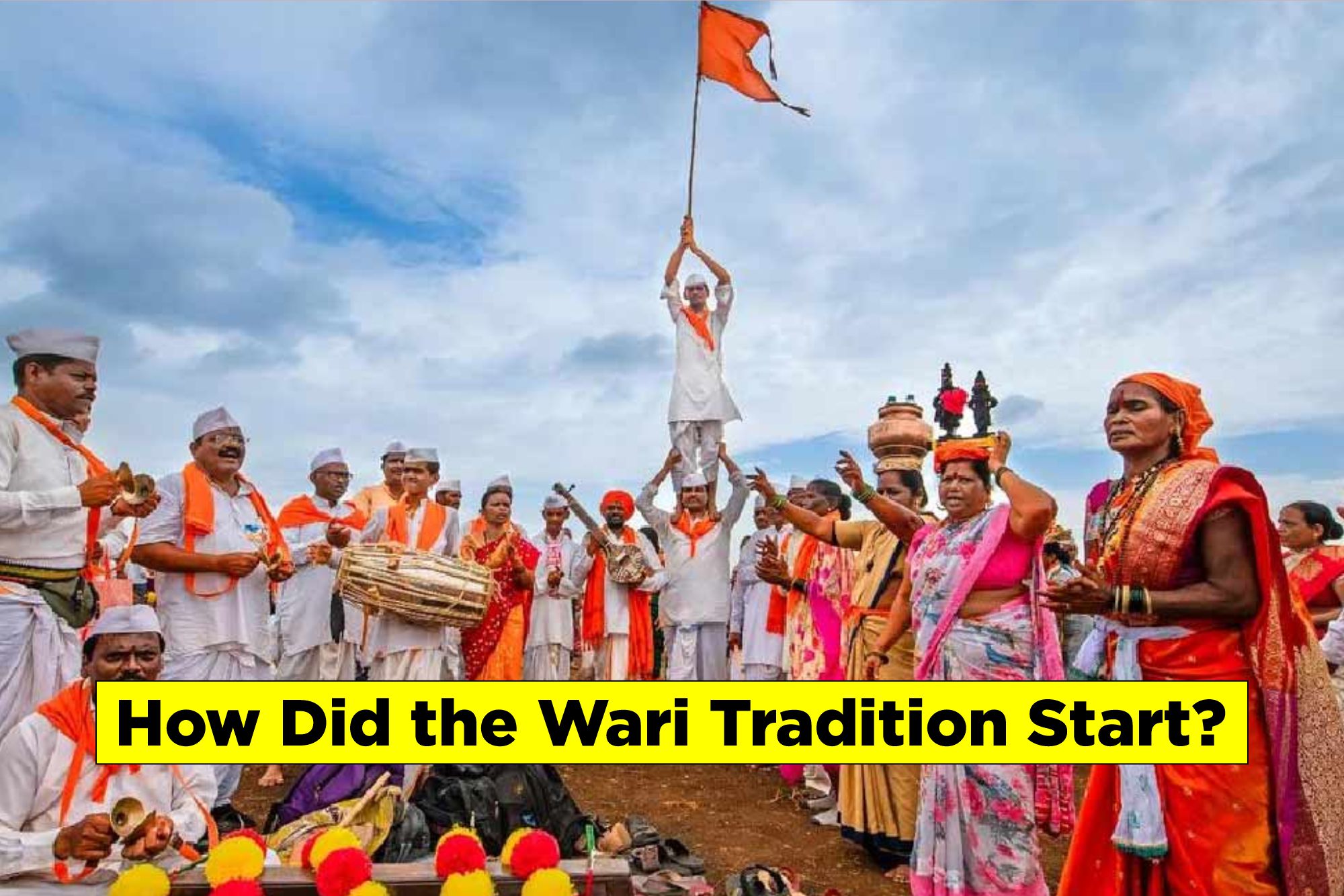
How Did the Wari Tradition Start? The Wari tradition, also called Vari Parampara, is one of the oldest and most beautiful pilgrimages in India. It is over 700 years old and is still followed with the same love and devotion today. It all began with Sant Dnyaneshwar. In the 13th century, Sant Dnyaneshwar, a young saint and poet from Maharashtra, became very popular for his spiritual wisdom and deep love for Lord Vitthal (Vithoba) of Pandharpur. After his death at a young age, his followers wanted to continue remembering him and his teachings. So they started carrying a symbolic palkhi (palanquin) with his paduka (holy footprints) from Alandi (his samadhi place) to Pandharpur, especially during the Ashadhi Ekadashi festival. Then came Sant Tukaram, another great saint. In the 17th century, Sant Tukaram from Dehu also became a famous Warkari saint. His songs (abhangas) full of love and devotion for Vitthal touched the hearts of thousands. After his death, his followers started another palkhi from Dehu to Pandharpur. So now, the two main palkhis – one from Alandi (Sant Dnyaneshwar) and one from Dehu (Sant Tukaram) – travel to Pandharpur every year during the monsoon season. Why is the Wari special? The journey is not just about walking. It’s about walking together, singing, praying, and showing love for God. The people who walk are called Warkaris. They believe in simplicity, equality, and helping each other. They walk for days, barefoot, in sun and rain, just to reach their beloved Vitthal standing in the Pandharpur temple with arms wide open. A tradition of love and devotion What started as a tribute to saints has now become a living tradition of devotion, unity, and service. Today, millions of people join the Wari every year, not because someone forces them, but because their hearts pull them to Vitthal.