Welcome to Yugantar Life

What is Adhyatma? A Hindu Perspective on the Inner Self

What is Adhyatma? A Hindu Perspective on the Inner Self

What is Adhyatma? A Hindu Perspective on the Inner Self

What is Adhyatma? A Hindu Perspective on the Inner Self : In the Hindu philosophy, Adhyatma is a path, a purpose, and a powerful realisation. Deeply Rooted in the Vedas, explored in the Upanishads, and beautifully expressed in the Bhagavad Gita, Adhyatma is the journey inward — a path every Hindu is should walk.

Meaning of Adhyatma in Hinduism

The Sanskrit word Adhyātma (अध्यात्म) is made of:

Adhi – meaning pertaining to or concerning

Ātman – meaning soul, Self, or the innermost essence

So, Adhyatma means — the practice of knowing, experiencing, and realizing the Ātman, which is nothing but a reflection of Brahman (the Supreme Reality).

The Foundation: "You are not the body, you are the Atman."

This is the timeless message in Hindu philosophy. From Upanishads to Bhagavad Gita, the rishis says:

"Tat Tvam Asi" – you are that
"Aham Brahmasmi" – I am Brahma(creator)

The mahavakyas point to the truth that our real identity is not the body or mind, but the internal Atman — pure, blissful, untouched by birth and death.

Adhyatma in the Bhagavad Gita

Lord Krishna, explains Adhyatma in Chapter 8 of the Gita:

"अधिभूतं क्षरो भावः पुरुषश्चाधिदैवतम्।
अधियज्ञोऽहमेवात्र देहे देहभृतां वर" (BG 8.4)

He explains that Adhyatma is the knowledge of the self (sva-bhāva) — understanding the nature of one's soul, which is beyond the body and changing world.

Bhagwan Krishna urges Arjuna to go beyond the material and understand the eternal essence within — the real Adhyatma.

Why is Adhyatma Essential in Hindu Dharma?

Unlike many external rituals and customs, Adhyatma is about inner transformation. In Hinduism, it is the highest dharma — the spiritual responsibility of a human life.

It helps us:

Break free the cycle of birth and death (Sansara)
Overcome ego, attachment, and illusion (Maya)
Realize moksha, the ultimate liberation

Adhyatma begins when you do, following steps with sincerity.

1. Daily Meditation (Dhyana)

Sit in silence. Chant Om. Watch your breath.
Patanjali Yoga Sutras says, “योगश्चित्तवृत्तिनिरोधः” — Adhyatma requires calm mind.

2. Satsang (Company of the Wise)

Spend time in spiritual discussions or listen to discourses of enlightened saints.

3. Seva (Selfless Service)

Offer service without expecting results. It purifies the heart.

What Happens When You Walk the Path of Adhyatma?

Peace becomes natural, even in chaos
Your actions become selfless and pure
You stop reacting — and start responding

You realize: “I am not this body— I am the eternal Atman.”

This is Moksha — the goal of every soul.

Final Thought: Adhyatma is the Soul of Hindu Dharma
In Hinduism, Adhyatma is not separate from life — it is life.
It reminds us that behind every puja, mantra, yatra, or festival lies one deeper purpose — to connect with the divine within.

So, whether you're reading the Gita, meditating in silence, or simply living with awareness — you're already walking the path of Adhyatma.

In the temple of the heart,
With the lamp of knowledge,
Let us discover the divine light — our true Self.
Adhyatma in Action: Living Spirituality in Daily Life

When people hear the word Adhyatma, they often think of a monk in the Himalayas, doing deep meditation, or renunciation from the world. But the truth is, Adhyatma is not about escaping life — it is about engaging with life more deeply, more consciously.

In today’s fast-paced world life is filled with deadlines, relationships, and responsibilities, but spirituality doesn’t need to be kept in a corner. It can become the very heart of how we live, work, speak, and connect.

Adhyatma is Not a Separate Life — It’s a Deeper Way to Live This One
In Hindu philosophy, Adhyatma says "relating to the self" — not just the ego or personality, but the true self, the Atman, which is eternal, peaceful, and divine.

Living spiritually doesn’t require isolation — it requires awareness.
And awareness can be practiced anywhere — while talking, working, eating, or even arguing.

Adhyatma at Work: Karma Yoga in Action
You don’t need to quit your job to walk a spiritual path. You need to change how you view your job.

कर्मण्येवाधिकारस्ते मा फलेषु कदाचन 
मा कर्मफलहेतुर्भूर्मा ते सङ्गोऽस्त्वकर्मणि
“Do your work, but don’t be attached to the result.” — Bhagavad Gita 2.47

This is Karma Yoga, one of the most powerful ways to live Adhyatma.

Try this:

Work sincerely, not to please the boss, but as an offering to the Divine.
Don’t carry stress home — remember you are the doer of actions, not the owner of outcomes.
Be honest, kind, and mindful — these are not just values, they are spiritual practices.

Adhyatma in Relationships: See the Divine in Others

In daily relationships, we often react out of ego, expectation, or hurt. But Adhyatma teaches us to look deeper.

What if you saw the same Atman in your family, friends, and even difficult people?

अहमात्मा गुडाकेश सर्वभूताशयस्थित:
अहमादिश्च मध्यं च भूतानामन्त एव च
“Ishvara exists in all beings.” — Bhagavad Gita 10.20

Try this:

Listen more than you speak.
Respond, don’t react.
Forgive — not because they deserve it, but because you deserve peace.

Adhyatma in Routine: Making the Mundane Sacred

Brushing your teeth, making tea, commuting — we do these things on auto-pilot. But every act can be a meditation if done with full presence.

Try this:

Before meals, close your eyes and say “Thank you.”
Do chores with joy, not irritation — they train patience and humility.
Use moments of silence (like waiting in line) to take a breath and go within.
This is the beauty of Hindu spiritual thought — nothing is ordinary when done with awareness.

Adhyatma is Not a To-Do List — It’s a Way of Being
You don’t need to always be chanting or meditation to be spiritual. You can be:

Driving with calmness
Eating with gratitude
Arguing without ego
Working with sincerity
Loving without attachment
This is Adhyatma in Action.

Final Thought: Make Every Day Your Ashram

You don’t need to be in an ashram to live spiritually.
Your office, kitchen, local train — all can be places of inner growth, if you remember who you are.

The real temple is within.
The real guru is your conscience.
The real prayer is presence.

So walk the path. Not away from the world — but right through it, with your head high, heart soft, and soul awake.
 

More Trending Topic

1 YEAR AGO

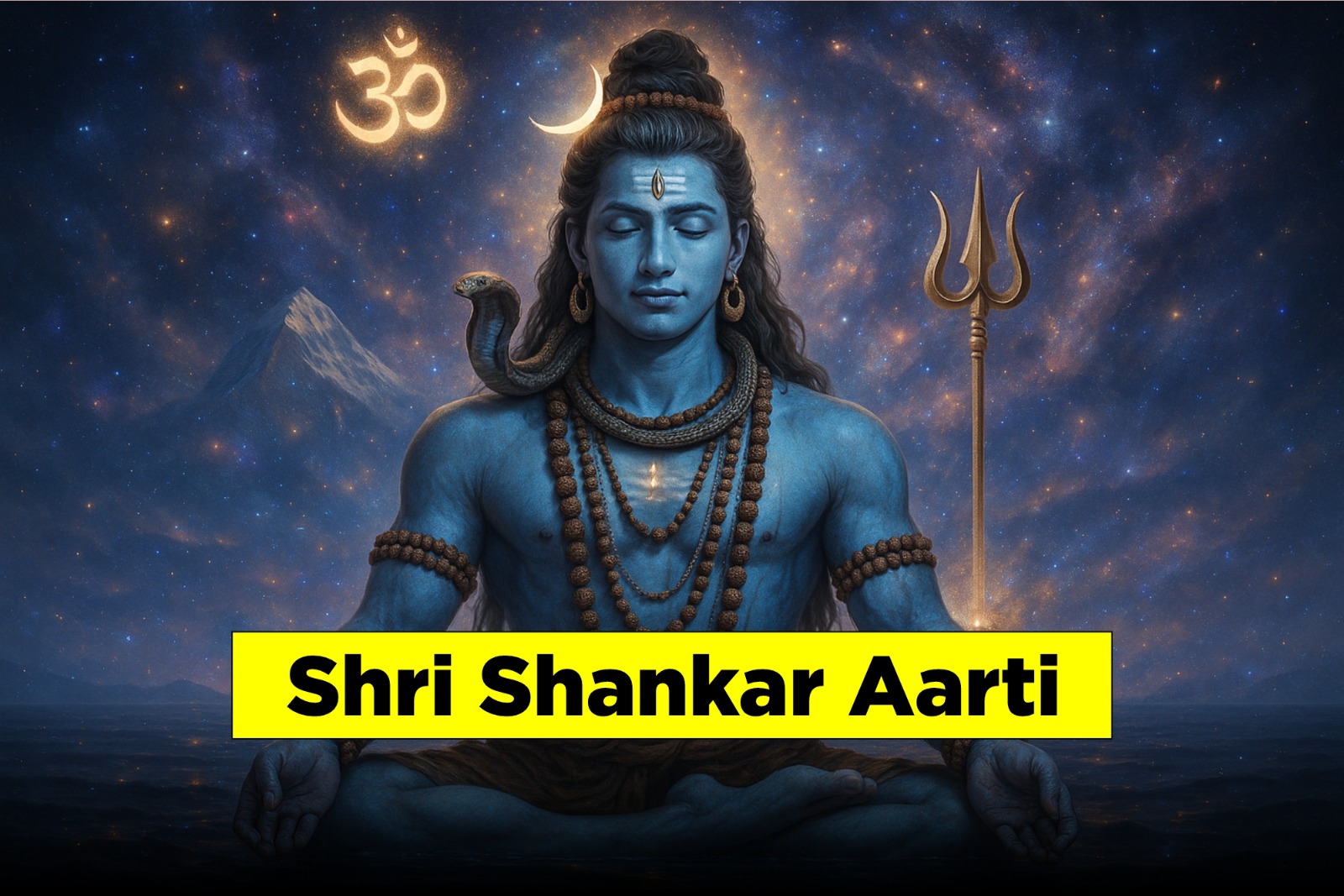
Shri Shankar Aarti - श्री शंकर आरती

श्री शंकर आरती - Shri Shankar Aarti लवथवती विक्राळ ब्रह्मांडी माळा। विष केंव काळा त्रिनेत्री ज्वाळा। लावक सुरसर मस्तकी टाळा। तेथुनिया जळ निर्मळ वाहे झुळझुळा ।। जय देव जय देव जय देव जय श्री शंकरा । आरती ओवाळू तुज कर्पूरगौरां ।। जय देव कर्पूरीगौर शोभे नचनी विशालां । अर्धांगी पार्वती सुमनांच्या मालां । विघ्नांची उद्धार शिल्पक निलां । ऐसा शंकर शोभे उगमेदेवता ।। जय देव देवी देवता सागर मंथन हे केले । त्यानामाजी अमृताची हलहली जे उठले । ते तुजा अनुसंधान प्राशन केले । नीळकंठ नाम प्रसिद्ध झाले ।। जय देव त्र्यंबक फणिवरसे सुंदर सजविता । पंचानन मनोहर मुनिजन सुवंदिता । शतकोटींची बीज बाळे चेता । रखुंडलिंकायत सगुणता अंतरी ।। जय देव Shri Shankar Aarti - श्री शंकर आरती Lavathavatī vikrāḷa brahmāṇḍī māḷā,  Viṣ keṃva kāḷā trinetri jvāḷā।  Lāvaka surasara mastakī ṭāḷā,  Tethuniyā jaḷa nirmaḷa vāhe jhuḷajhuḷā॥ Jaya Dev Jaya Dev Jaya Shri Shaṅkarā, Ārtī ovāḷū tuj karpūragaurā॥ Jaya Dev॥ Karpūrīgaur śobhe nachanī viśālā, Ardhāṅgī Pārvatī sumanāñchyā mālā। Vighnāñchī uddhār śilpaka nilāṁ, Aisā Shaṅkar śobhe ugamedēvatā॥ Jaya Dev॥ Devī devatā sāgar manthana he kele, Tyānāmājī amṛtāchī halahalī je uṭhale। Te tujā anusandhān prāśan kele, Nīḷkaṇṭha nāma prasiddha jhale॥ Jaya Dev॥ Tryambak phaṇivarse sundar sajavitā, Pañchānan manohar munijan suvanditā। Shatakotiñchī bīj bāḷe cetā, Rakhunḍaliṅkāyat saguṇatā antarī॥ Jaya Dev॥

1 YEAR AGO

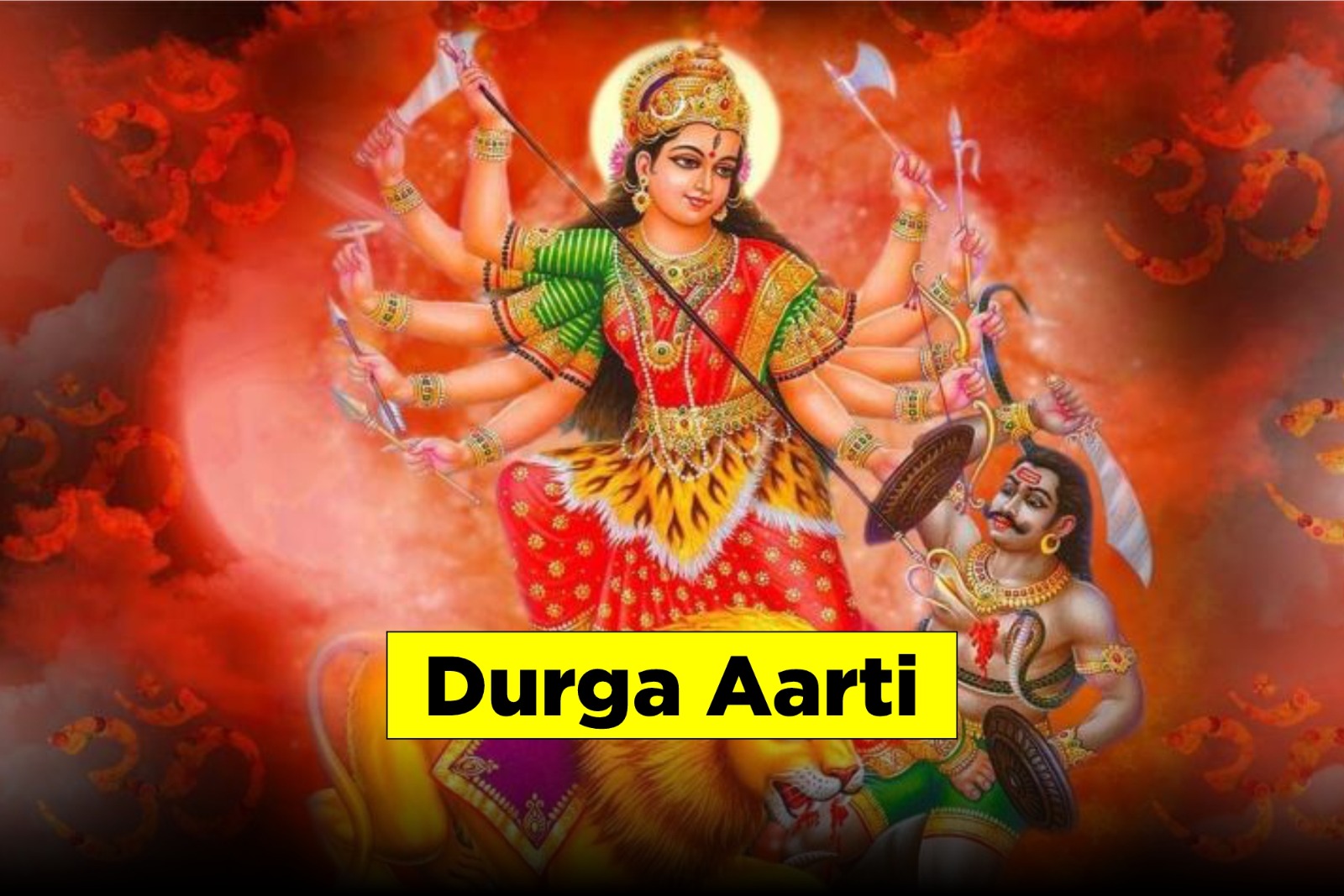
Durga  Aarti - दुर्गा आरती

Durga  Aarti - दुर्गा आरती दुर्गे दुर्घट भारी तुजविण संसारि । अनाथ नाथे आम्हे करुणाविस्तारी । वारी वारी जन्म मरणाचे वारी । हारी पडलो आता संकट निवारी ॥ १ ॥ जय देवी जय देवी महिषासुरमथिनी सुरवर ईश्वर वरदे तारकसंजिवनी ॥ धृ ॥ तुजविण भुवनी पाहता तुज ऐसे नाही चारी श्रम परंतु न बोले काही साही विवेक करीत पडे प्रवाही ते तू भक्तालागी पावसी लवकरी ॥ २ ॥ प्रसन्न वदने प्रसन्न होसी निजदासा क्लेशोपशमनी सौख्य तोडी भवपासा आम्हां गरीबां वर कृपाळू नेत्रांसा नरहरी तल्लीन झाला पदपंकजां ॥ ३ ॥ Durga Aarti  Durge durghat bhaari tujavin sansaari Anaath naathe aamhe karunaavistaari  Vaari vaari janma maranaache vaari Haari padalo aata sankat nivaari ॥1॥ Jaya Devi Jaya Devi Mahishaasura-mathini  Suravar Ishvar varade taaraka-sanjivani ॥ धृ ॥ Tujavin bhuvani paahata tuj aise naahi  Chaari shram parantu na bole kaahi  Saahi vivek karit pade pravaahi  Te tu bhakta-laagi paavasi lavakari ॥2॥ Prasanna vadane prasanna hosi nijadaasa  Kleshopashamani saukhya todi bhava-paasa  Aamha garibaan var krupalu netraansa  Narhari tallin jhaala pad-pankajaan ॥3॥  

1 YEAR AGO

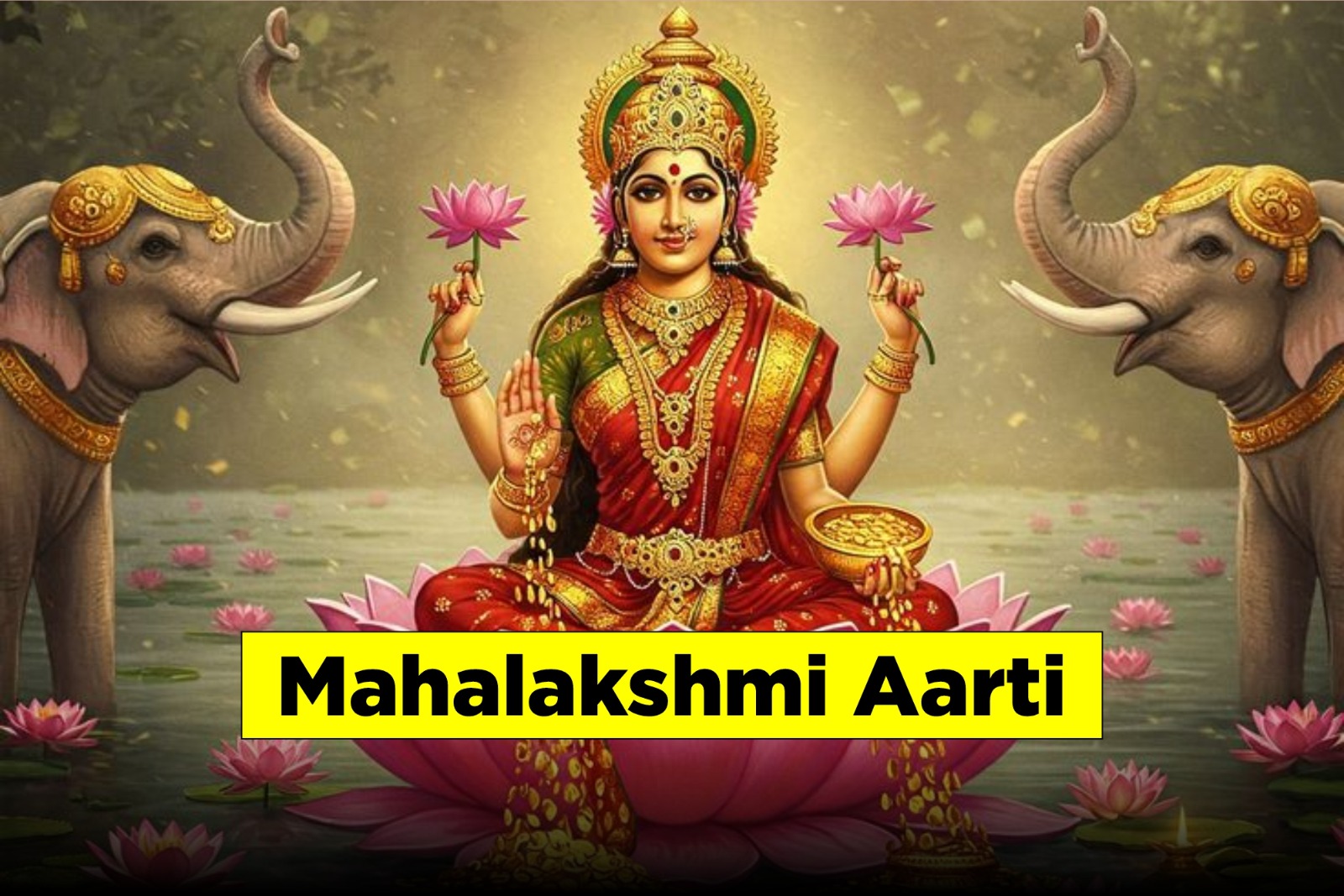
Mahalakshmi Aarti

आरती महालक्ष्मीची - Mahalakshmi Aarti जय देवी जय देवी जय महालक्ष्मी। वससी व्यापकरुपे तू स्थूलसूक्ष्मी॥ करवीरपुरवासिनी सुरवरमुनिमाता। पुरहरवरदायिनी मुरहरप्रियकान्ता। कमलाकारें जठरी जन्मविला धाता। सहस्रवदनी भूधर न पुरे गुण गातां॥ जय देवी जय देवी...॥ मातुलिंग गदा खेटक रविकिरणीं। झळके हाटकवाटी पीयुषरसपाणी। माणिकरसना सुरंगवसना मृगनयनी। शशिकरवदना राजस मदनाची जननी॥ जय देवी जय देवी...॥ तारा शक्ति अगम्या शिवभजकां गौरी। सांख्य म्हणती प्रकृती निर्गुण निर्धारी। गायत्री निजबीजा निगमागम सारी। प्रगटे पद्मावती निजधर्माचारी॥ जय देवी जय देवी...॥ अमृतभरिते सरिते अघदुरितें वारीं। मारी दुर्घट असुरां भवदुस्तर तारीं। वारी मायापटल प्रणमत परिवारी। हें रुप चिद्रूप दावी निर्धारी॥ जय देवी जय देवी...॥ चतुराननें कुश्चित कर्मांच्या ओळी। लिहिल्या असतिल माते माझे निजभाळी। पुसोनि चरणातळी पदसुमने क्षाळी। मुक्तेश्वर नागर क्षीरसागरबाळी॥ जय देवी जय देवी...॥ Mahalakshmi Aarti Jai Devi Jai Devi Jai Mahalakshmi। Vasasi Vyapakarupe Tu Sthulasukshmi॥ Karvirpurvasini Survarmunimata। Puraharavaradayini Muraharapriyakanta। Kamalakare Jathari Janmavila Dhata। Sahasravadani Bhudhara Na Pure Guna Gata॥ Jai Devi Jai Devi...॥ Matulinga Gada Khetaka Ravikirani। Jhalake Hatakavati Piyusharasapani। Manikarasana Surangavasana Mriganayani। Shashikaravadana Rajasa Madanachi Janani॥ Jai Devi Jai Devi...॥ Tara Shakti Agamya Shivabhajaka Gauri। Sankhya Mhanati Prakriti Nirguna Nirdhari। Gayatri Nijabija Nigamagama Sari। Pragate Padmavati Nijadharmachari॥ Jai Devi Jai Devi...॥ Amritabharite Sarite Aghadurite Vari। Mari Durghata Asura Bhavadustara Tari। Vari Mayapatala Pranamata Parivari। He Rupa Chidrupa Davi Nirdhari॥ Jai Devi Jai Devi...॥ Chaturanane Kushchita Karmanchya Oli। Lihilya Asatila Mate Majhe Nijabhali। Pusoni Charanatali Padasumane Kshali। Mukteshwara Nagara Kshirasagarabali॥ Jai Devi Jai Devi...॥

1 YEAR AGO

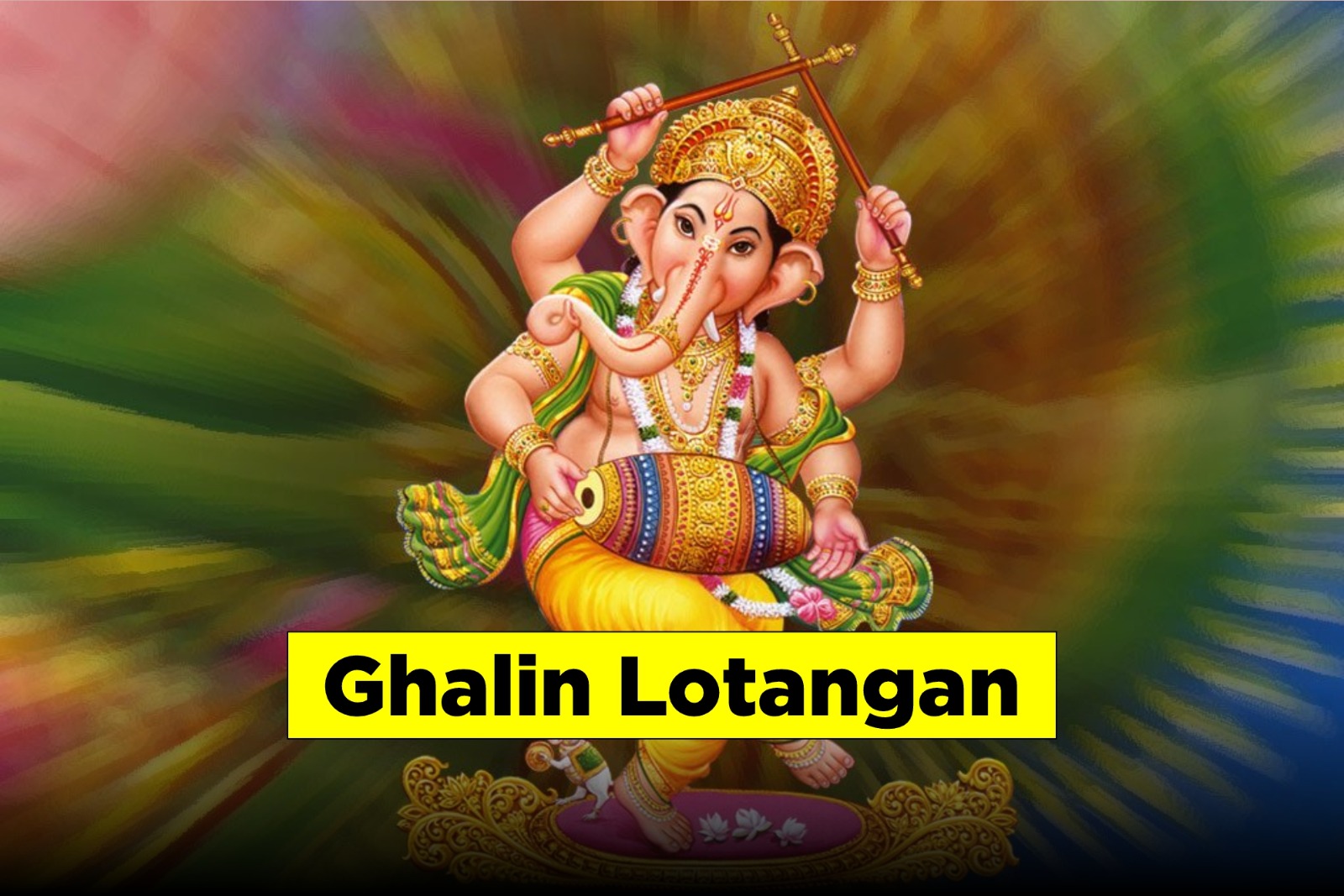
Ghalin lotangan

घालिन लोटांगण - Ghalin lotangan घालिन लोटांगण वंदीन चरण । डोळ्यांनी पाहिन रुप तुझे । प्रेमे आलिंगन आनन्द पूजन । भावे ओवाळीन म्हणे नामा ॥ त्वमेव माता पिता त्वमेव त्वमेव बंधू सखा त्वमेव । त्वमेव विद्या द्रविणं त्वमेव त्वमेव सर्वं मम देवदेव ॥ कायेन वाचा मनसेंद्रियैर्वा बुद्ध्यात्मना वा प्रकृतिस्वभावात् । करोमि यद्यत्सकलं परस्मै नारायणायेति समर्पयामि ॥ अजुन्यं केशवं राम नारायणं । कृष्णदामोदर वासुदेवं भजे ॥ श्रीधरं माधवं गोपिकावल्लभं । जानकीनायकं रामचंद्रं भजे ॥ हरे राम हरे राम राम राम हरे हरे हरे कृष्ण हरे कृष्ण कृष्ण कृष्ण हरे हरे || मंगलमूर्ती मोरया || || गणपतिबाप्पा मोरया || Ghalin Lotangan Ghalin lotangan vandin charana Dolyani pahin rup tujhe Preme alingan anande pujin Bhave ovaleen mhane nama Twameva mata cha Pita twameva Twameva bandhusch sakha twameva Twameva Vidhya dravinam twameva Twameva sarwam mam deva deva Kayena vacha manasendriyenva Buddhayatmna va prakrutiswabhavat Karomi yadhyat sakalam parasmai Narayanayeti samarpayami Achyutam keshavam ramnarayanam krushanadamodaram vasudevam hari Shridharam Madhavam gopikavallabham Janaki nayakam ramchandra bhaje Hare Ram Hare Ram Ram Ram Hare Hare Hare Krishna Hare Krishna Krishna Krishna Hare Hare || Mangalamurthy Morya || || Ganpati Bappa Morya ||

1 YEAR AGO

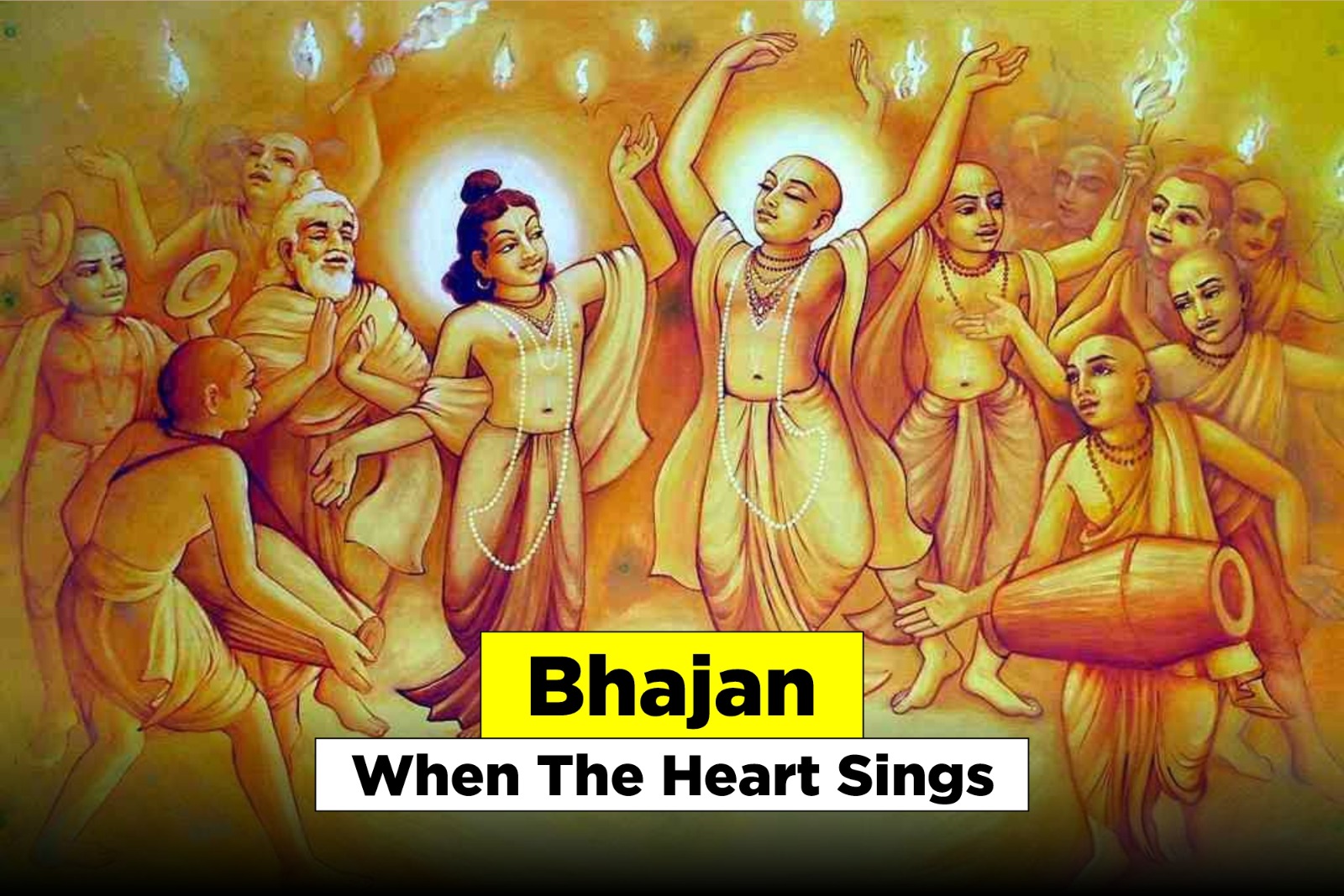
Bhajan – When the Heart Sings

Bhajan – When the Heart Sings In the evening, when the rush of the day fades and you hear a melody softly in the background, something divine feels in the heart. That's the bhajan — it doesn’t just enter in your ears; but it touches your soul. A bhajan is not a song. It is a devotional expression to the Divine— a simple, heartfelt offering of love. It is not bound by a place, Whether sung in temple, satsang, home, or even while cooking in the kitchen, bhajans carry the power to make you happy, cleanse the mind and open the heart. What Makes a Bhajan So Special? Bhajans are not meant to impress — they are meant to express. You don’t need a perfect voice, a musical background, or a large stage. All you need is bhav — the feeling of love, surrender towards God. From "Raghupati Raghav Raja Ram" to "Vitthala Vitthala Jai Hari Vitthala", from Meera to Kabir, every bhajan is a conversation with the Divine, often born from pain, love, or deep spiritual yearning. Bhajan vs Song – What's the Difference? Songs entertain. Bhajans transform. Songs can move your mood, but bhajans move your inner world. They take you inward — helping you feel peace, devotion, and sometimes even tears without reason. That’s when you know your soul has heard something beautiful. Singing Is Healing Modern science now agrees: singing reduces stress, improves mood, and brings balance. Our saints always knew this. That’s why they chose music as the path to God. In fact, in Bhakti Yoga, singing bhajans is a direct way to reach the divine. It’s like a shortcut — from the heart, to God, with nothing in between. Don’t Just Listen to – Sing! Even if you feel shy or think your voice isn’t good — try singing a bhajan when you’re alone. Or just hum along softly. Let go of judgement. This isn’t a performance; it’s prayer. Start your day with a bhajan. Or end it with one. It will become your anchor — a gentle reminder that no matter what life throws at you, the Divine is near… and listening. Final Thoughts In this noisy world, a bhajan is a pause button. A moment where you’re not a worker, a parent, or a student — you’re just a soul remembering its source. So next time you feel lost, anxious, or disconnected, don’t overthink. Just sing. Because when the lips chant, the heart blooms… and the soul whispers: “Yes, I remember.”

1 YEAR AGO

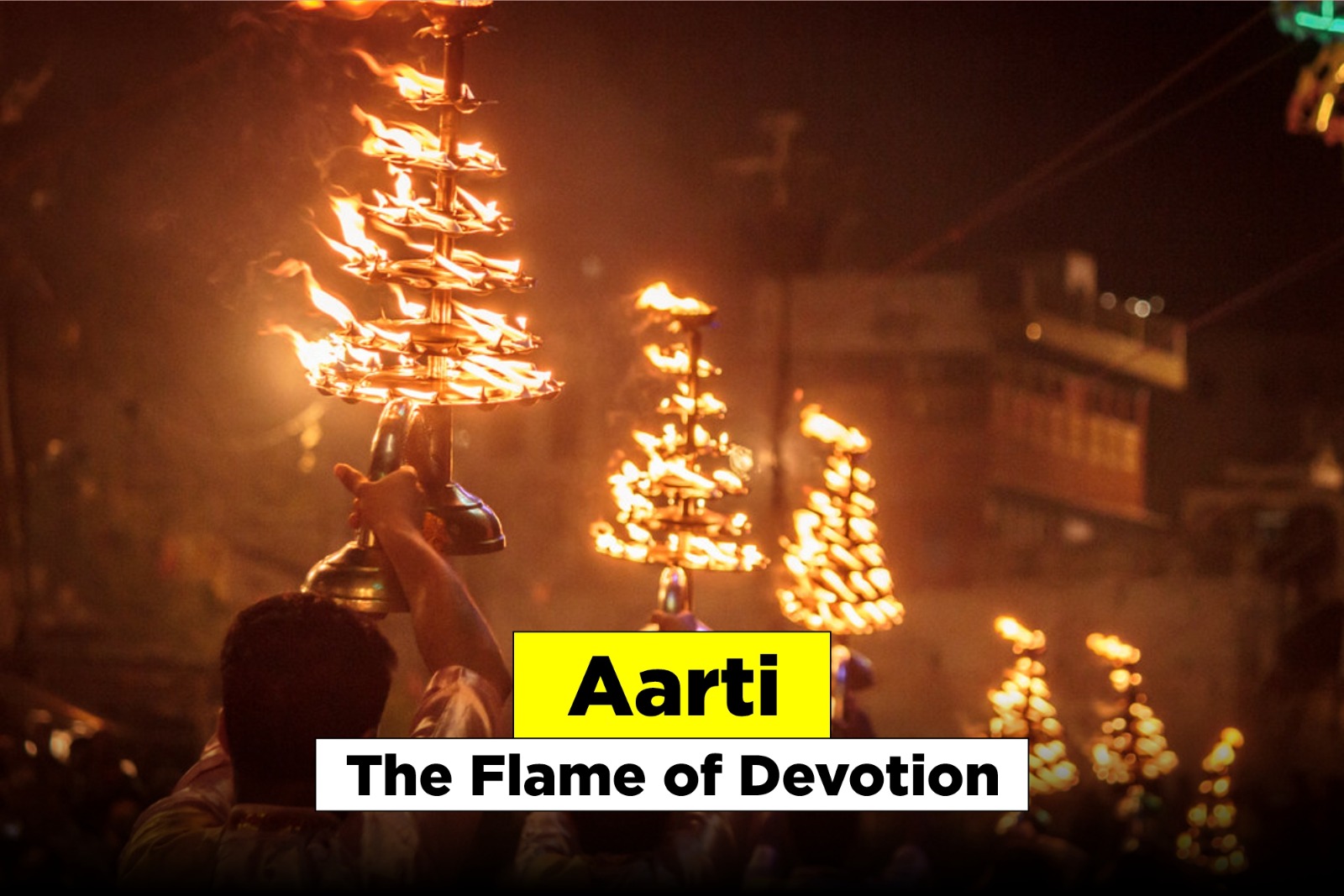
Aarti – the Flame of Devotion

Aarti – the Flame of Devotion Aarti – the Flame of Devotion : In Hindu homes and temples,every morning the sound of soft ringing of bells, the scent of agarbatti, and the glow of a small flame moving in circles in front of the Devi and Devta this view — this is the moment of Aarti. It may last for a few minutes, but something powerful happens in that time: a connection is made between the soul and the divine. Aarti isn’t just a ritual — it’s a song of surrender, gesture of gratitude, and a celebration of divine presence. What Is Aarti? The word Aarti comes from the Sanskrit word Āratī, also the aarti ceremony is said to come from the ancient Vedic period and which means “Aart- Nivaran” means the removal of sorrows. During the Aarti we not just light a flame we light a diya which shows that— we are offering our ego, our desires, and our ignorance into that fire. Whether it’s Om Jai Jagdish Hare, Jai Ambe Gauri, or Shiv Aarti, each song is a form of bhakti yoga — devotion expressed through sound, rhythm, and movement. Symbolism of Aarti The flame represents the soul — pure, bright, and always rising upwards. The circular motion signifies the cycle of birth and death, and our wish to move beyond it. The offering of flowers, rice shows that nothing in life is too small to offer to the Divine — even the simplest things, when offered with love, become sacred. The clapping and singing purify the space and awaken the energy of the crowd. And when we cup our hands over the flame and bring it to our eyes — it's as if we are saying, “Let this light enter me. Let me see the world through divine eyes.” More Than Just a Ritual Aarti is often the closing part of a puja, but spiritually, it’s a beginning. It fills the air with devotion, helps to clear mental noise, and reminds us that the divine force is always there. when you’re busy, tired, or stressed — take two minutes to light a diya, play your favorite Aarti, and just sit with it. You'll notice calmness— not outside, but inside. Final Thoughts Aarti is not about perfection. It’s about presence. Whether you sing loud or just listen silently, the divine accepts it all — as long as it comes from the heart.  

1 YEAR AGO

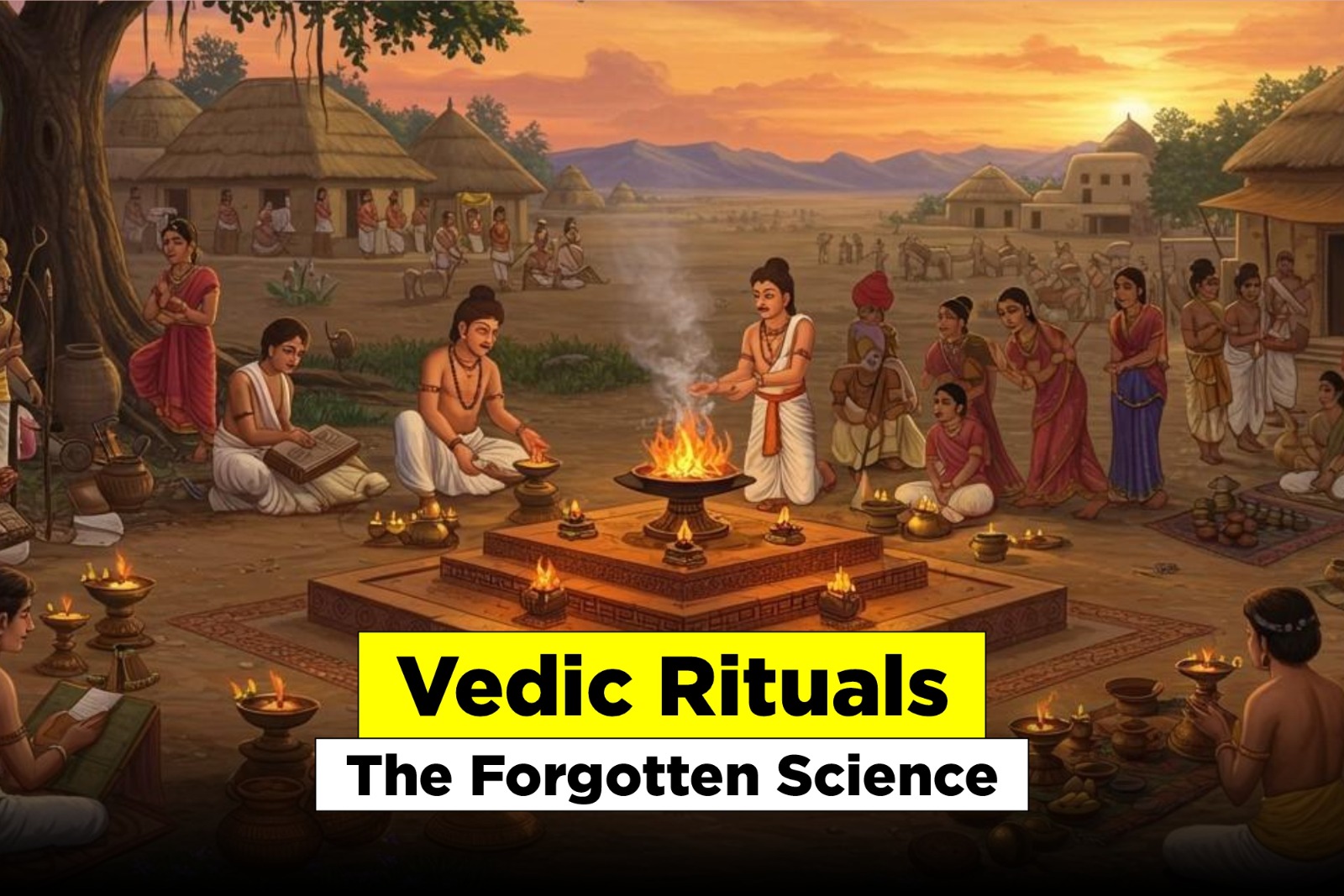
Vedic Rituals – The Forgotten Science

Vedic Rituals – The Forgotten Science Vedic Rituals – The Forgotten Science : In today's life, traditions are often labelled as outdated. Vedic rituals are like ancient trees — deeply rooted, full of wisdom, and still offering shade to those who sit beneath them. These rituals are not just religious customs; they are a science of life, a language through which we connect with the cosmos. Passed down through many centuries, Vedic rituals are not designed to control us, but to align us with nature, with energy, and with our higher selves. What Are Vedic Rituals? At their core, the purpose of Vedic rituals are acts of intention, sound, and energy. Whether it’s a havan, puja, japa, or yajna, each ritual is a method to purify the space, focus the mind, and tune into divine frequencies. These rituals are used: Mantras (sacred vibrations), Mudras (hand gestures), Samagri (offerings like ghee, herbs, rice), and Agni (fire, the divine witness). They’re not about superstition — they’re about creating harmony between the body, mind, and universe. Why Fire? Why Offerings? Why Mantras? Agni is considered the divine messenger — it carries our prayers to the deities. Offerings are not bribes; they’re symbols of surrender, letting go of ego and desires. Mantras are not mere chants — they are sound formulas, scientifically structured to activate inner energy. Think of a yajna as a spiritual detox — cleansing the environment and your inner world at the same time. Common Vedic Rituals and Their Meanings Sandhya Vandana – Daily prayer at sunrise and sunset to stay aligned with natural cycles. Gayatri Japa – Chanting for mental clarity and higher knowledge. Shraddha – Honoring ancestors to release karmic ties and express gratitude. Sanskaras – 16 key rituals from birth to death, each marking a sacred transition in life. The Power of Intention (Sankalpa) Every Vedic ritual begins with a sankalpa — an intention. Whether it’s for peace, health, or prosperity, the ritual becomes powerful only when done with shraddha bhav. Without this, it's just a mechanical act. Final Thoughts In today’s age of stress and disconnection, Vedic rituals are not outdated — they are more relevant than ever. They remind us to pause, to offer, to listen, and to be humble before forces greater than ourselves. You don’t have to be a priest or scholar to practice them. lighting a lamp daily, chanting a mantra with love, or offering water to the sun — these simple acts carry deep spiritual power. The Vedas whisper, “यथा पिण्डे तथा ब्रह्माण्डे” — as is the body, so is the cosmos. Rituals bridge the two.  

1 YEAR AGO

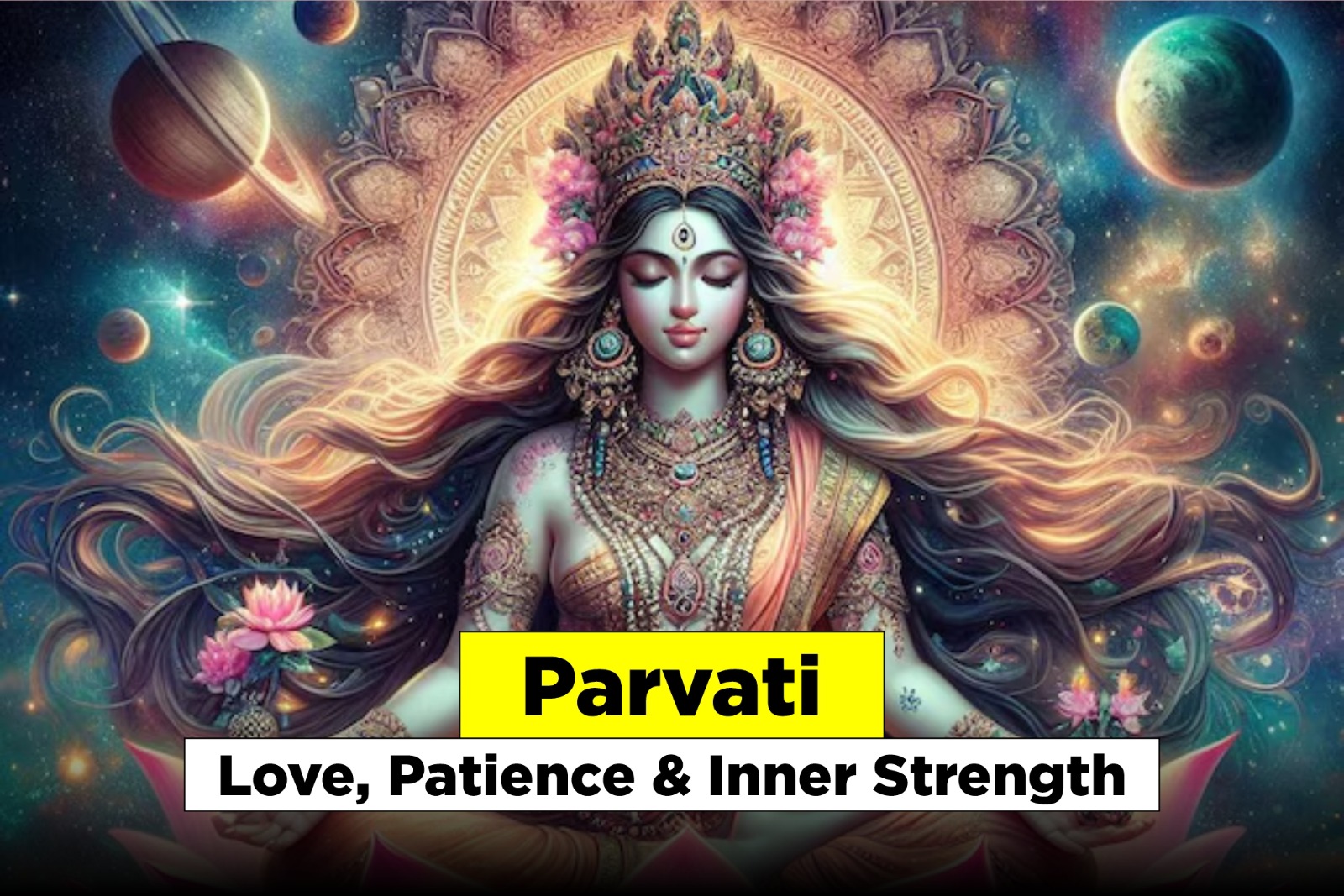
Parvati – Love, Patience, and Inner Strength

Parvati – Love, Patience, and Inner Strengt Parvati – Love, Patience, and Inner Strength : Devi Parvati is the loving wife of Lord Shiva and the gentle mother of Ganesha and Kartikeya. But she is not just a divine mother. She is Shakti — the very source of strength, transformation, and resilience in the universe. Where Shiva represents stillness and detachment, Parvati represents life itself — soft, flowing, and deeply powerful. From Sati to Parvati – A Journey of Rebirth Her story begins as Sati, who immolated herself out of pain and dignity. But even fire couldn’t consume her spirit. She returned as Parvati — born with the sole purpose of uniting with Shiva again, but this time with even more strength and wisdom. This isn’t just a myth — it’s a message: Even when life burns us down, we can rise again, stronger. Parvati's story is every woman’s story — of sacrifice, love, waiting, and finally, transformation. Tapasya – The Power of Devotion Parvati’s deep meditation (tapasyā) to win Shiva’s love is legendary. She left behind royalty, comfort, and everything else — just to prove that true love is not about asking, but about becoming worthy of the divine. In a world full of quick fixes and instant results, Parvati teaches us patience. Her silence had power. Her faith had energy. And her love had the strength to melt even the coldest yogi’s heart. The Forms of Devi Parvati Devi Parvati is a goddess of many manifestations: Annapurna – The goddess of food and nourishment. Durga – The  warrior who protects from evil. Kali – The deity beyond time, who tears through ego. Meenakshi, Kamakshi, Lalita – Forms of grace and power. Gauri – The gentle, radiant form of purity and harmony. She shows us that a woman can be calm like the moon or fiery like the sun — and still be divine in both forms. Final Thoughts Devi Parvati is the Shakti which flows from everyone to everywhere. She is the mother who can forgive, the wife who will wait, the warrior who protects, and the yogini who transforms. In moments of patience, in every act of unconditional love, and the step we take towards truth — Devi Parvati lives. So next time you feel weak, remember — even the bhagwan Shiva needed Devi Parvati to feel complete. That is the Shakti. Om Parvatyai Namah. Har Har Mahadev!