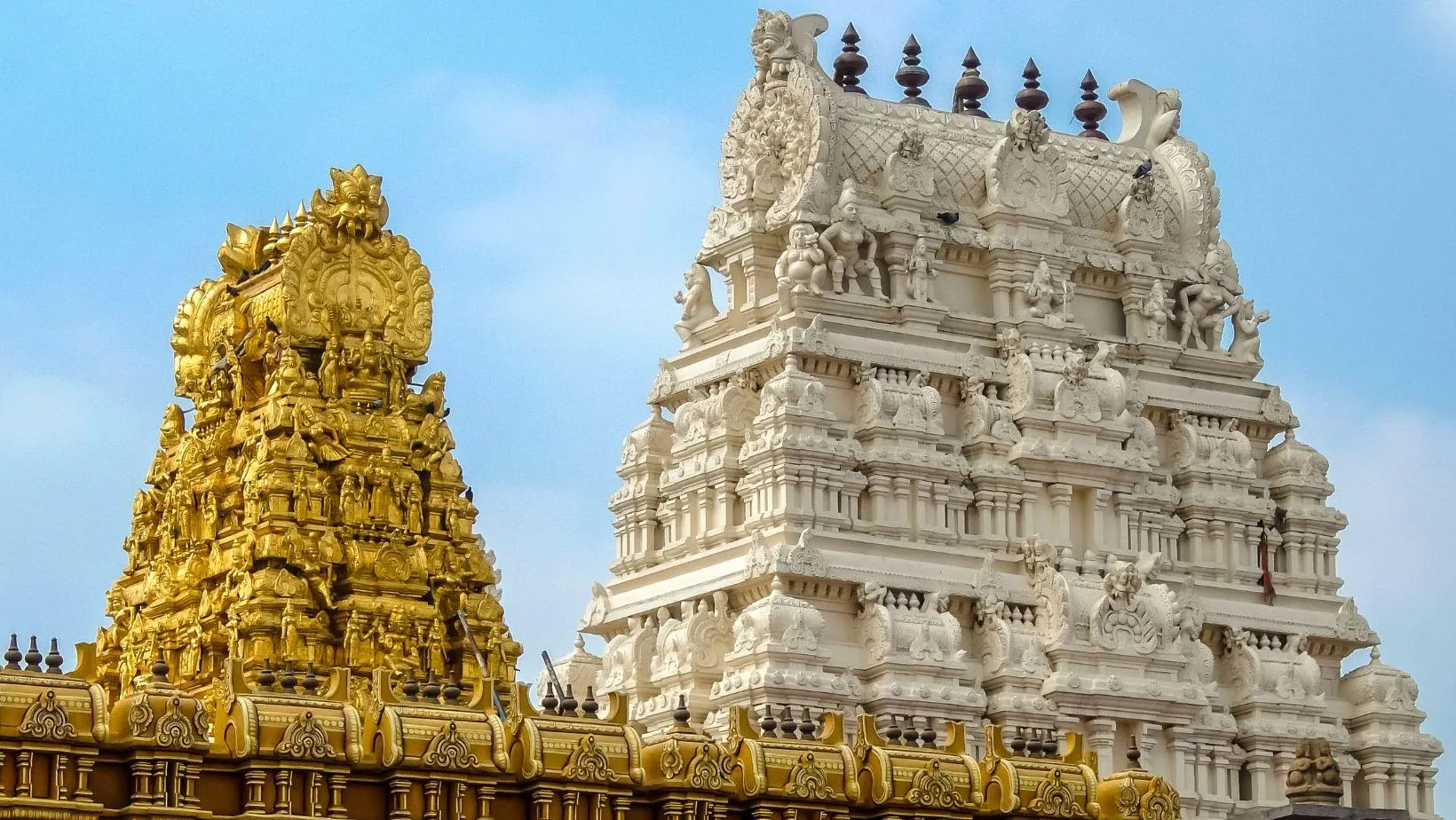
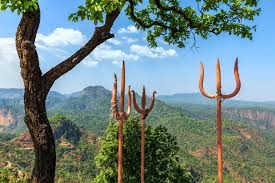
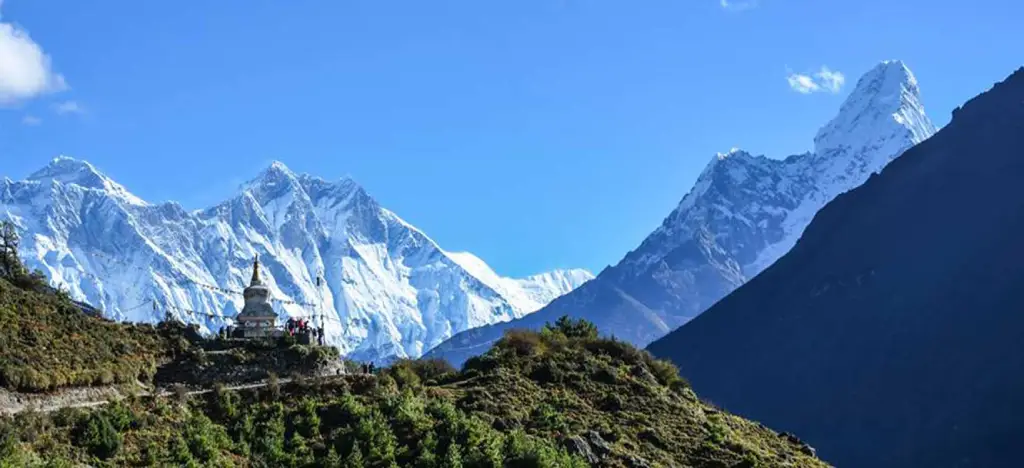
One of the most spiritually powerful journeys, this yatra circles Mount Kailash—considered the abode of Lord Shiva—and includes a holy dip in Lake Mansarovar. It’s a test of both physical endurance and spiritual depth.
Welcome to Yugantar Life
Account Notifications
Log in to view your blog approval status, payout updates & author alerts.
Log In NowSelect Language
One of the most spiritually powerful journeys, this yatra circles Mount Kailash—considered the abode of Lord Shiva—and includes a holy dip in Lake Mansarovar. It’s a test of both physical endurance and spiritual depth.
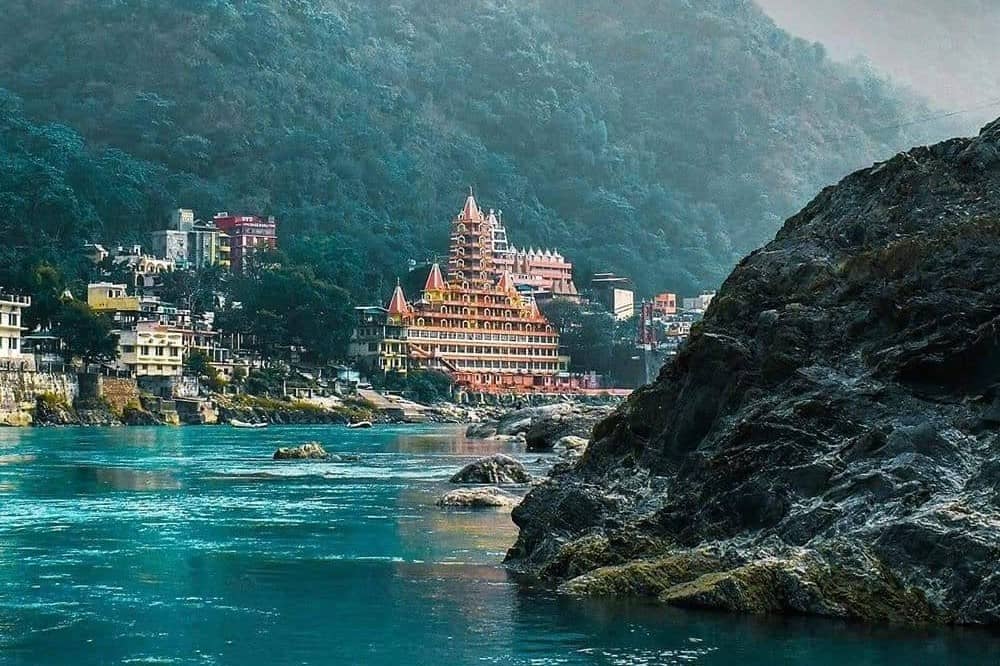
Known as the “Yoga Capital of the World,” Rishikesh is ideal for spiritual seekers. You’ll find peaceful ashrams, Ganga ghats, and daily satsangs that help you reconnect with your inner self.
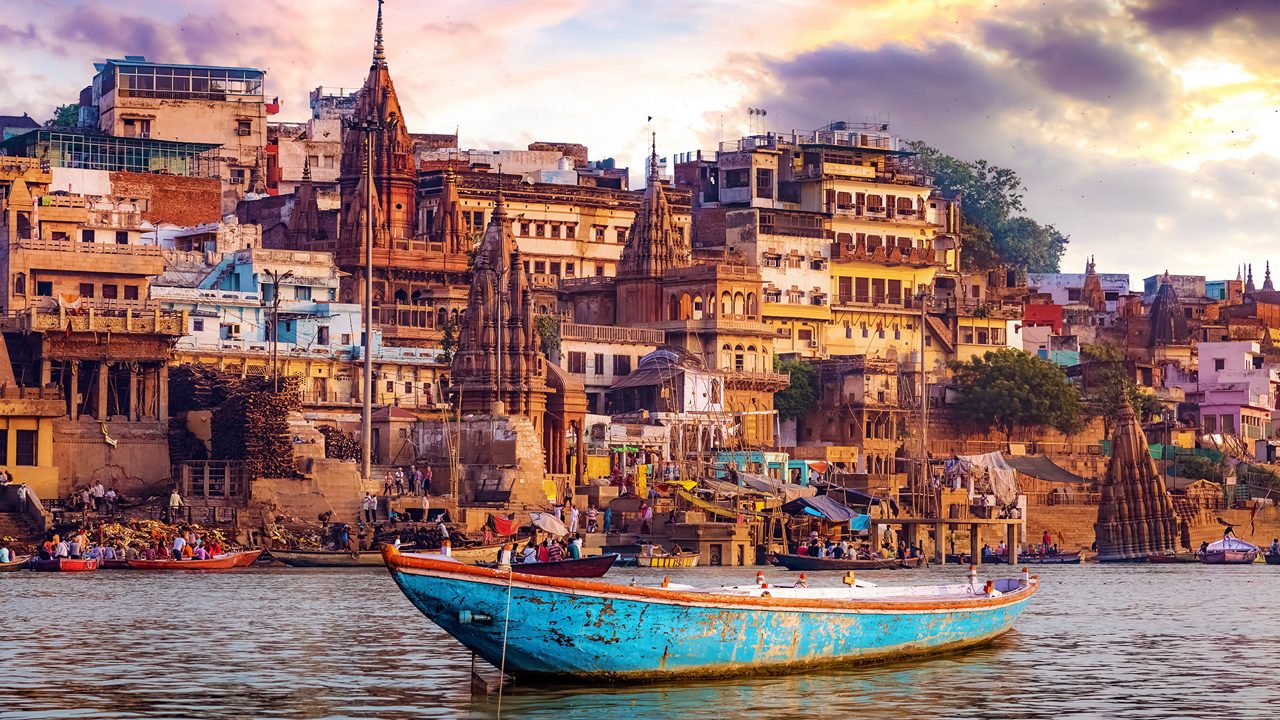
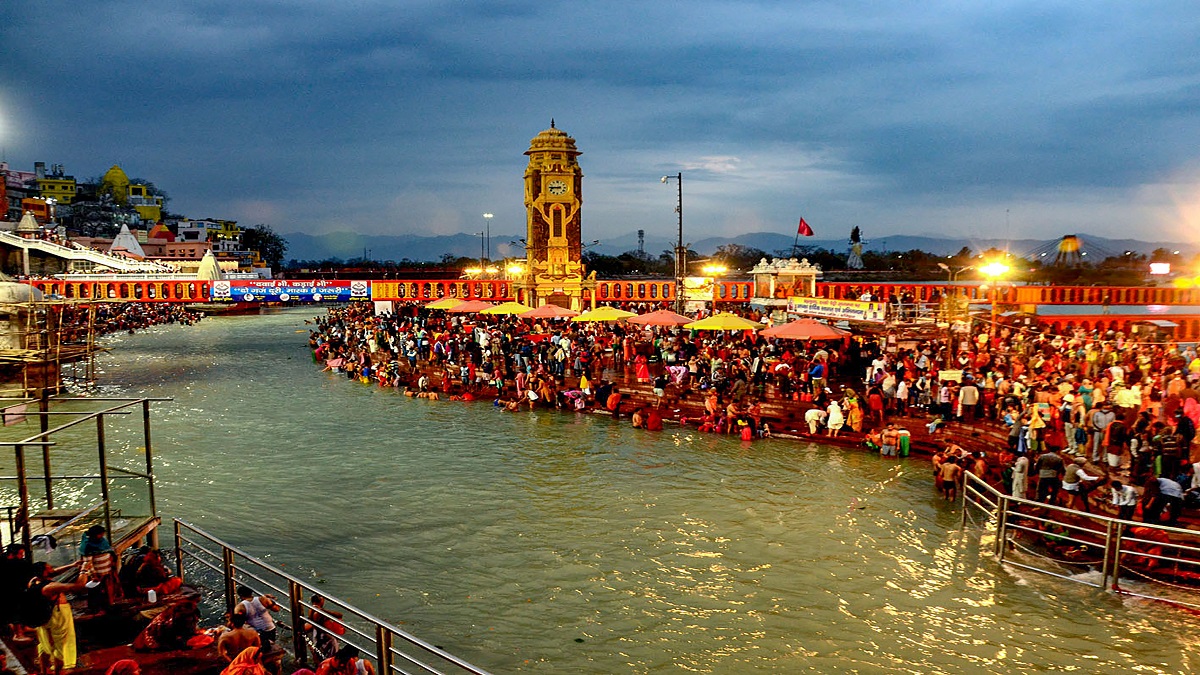
Considered the oldest living city, Varanasi offers a deep spiritual experience through Ganga Aarti, Kashi Vishwanath Temple, and meditative boat rides. Many believe dying here grants liberation.
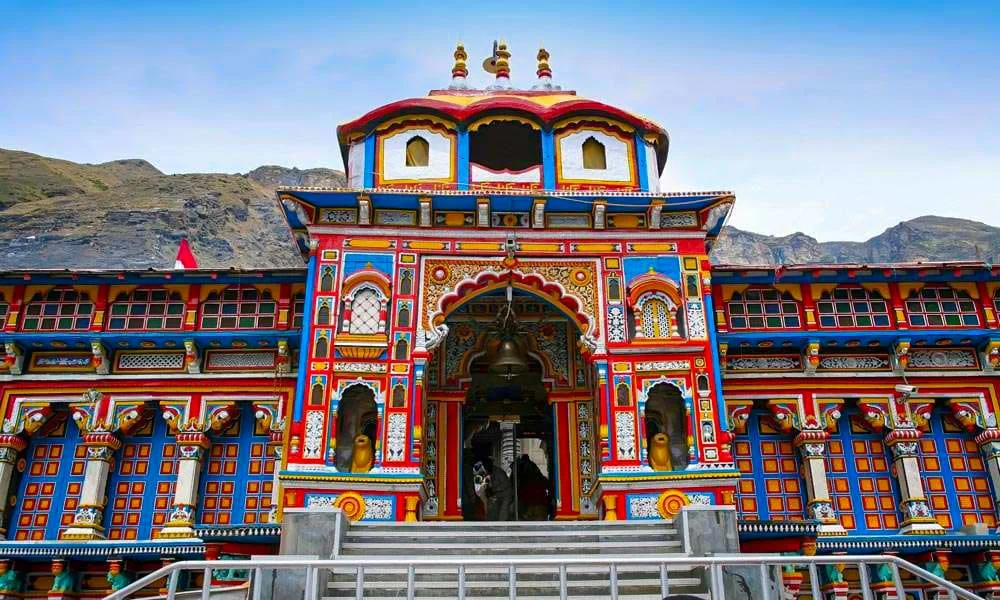
A sacred pilgrimage to the four holy shrines—Badrinath, Kedarnath, Gangotri, and Yamunotri. Believed to cleanse the soul and help attain moksha, this journey takes you through the majestic Himalayas and deep devotion.
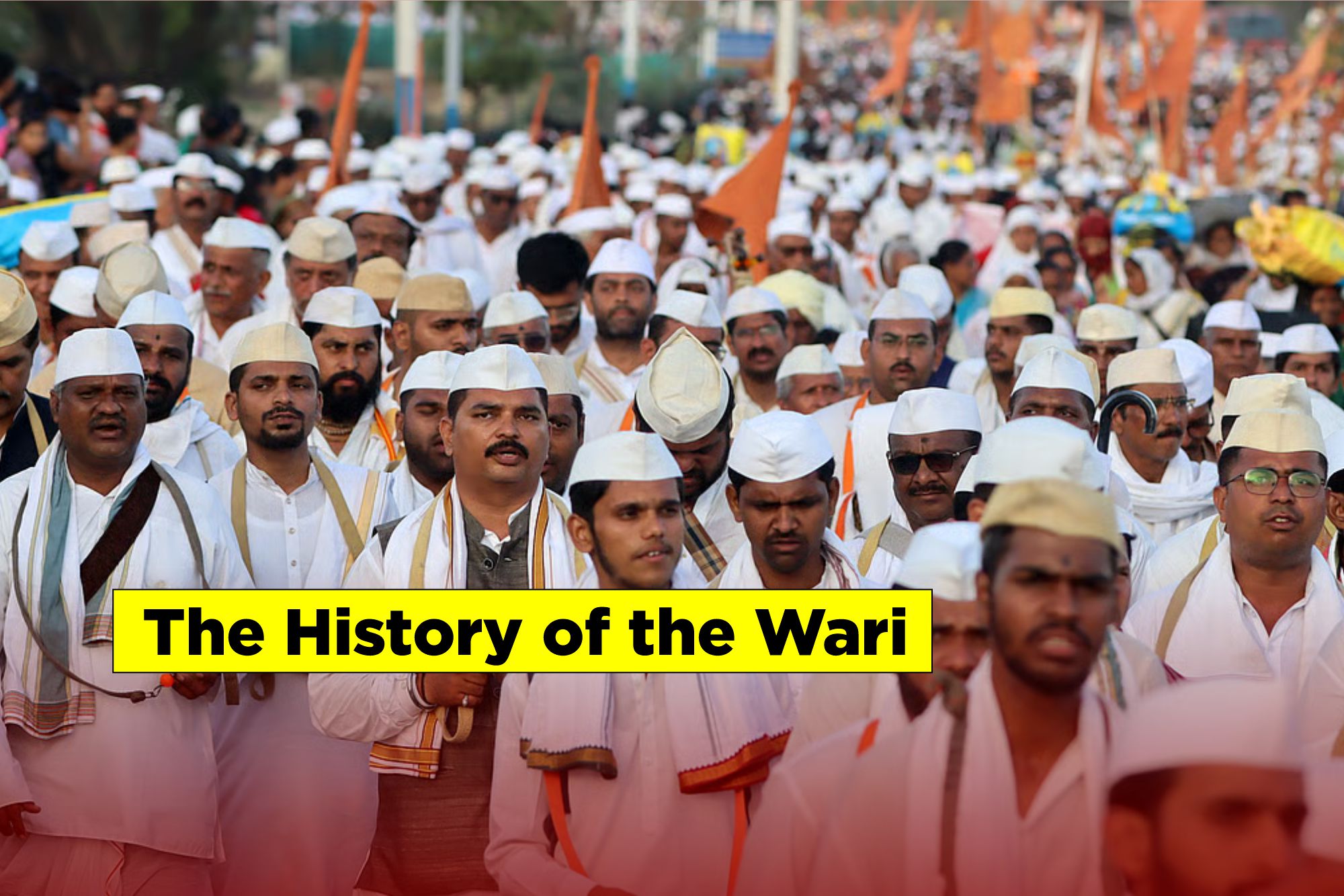
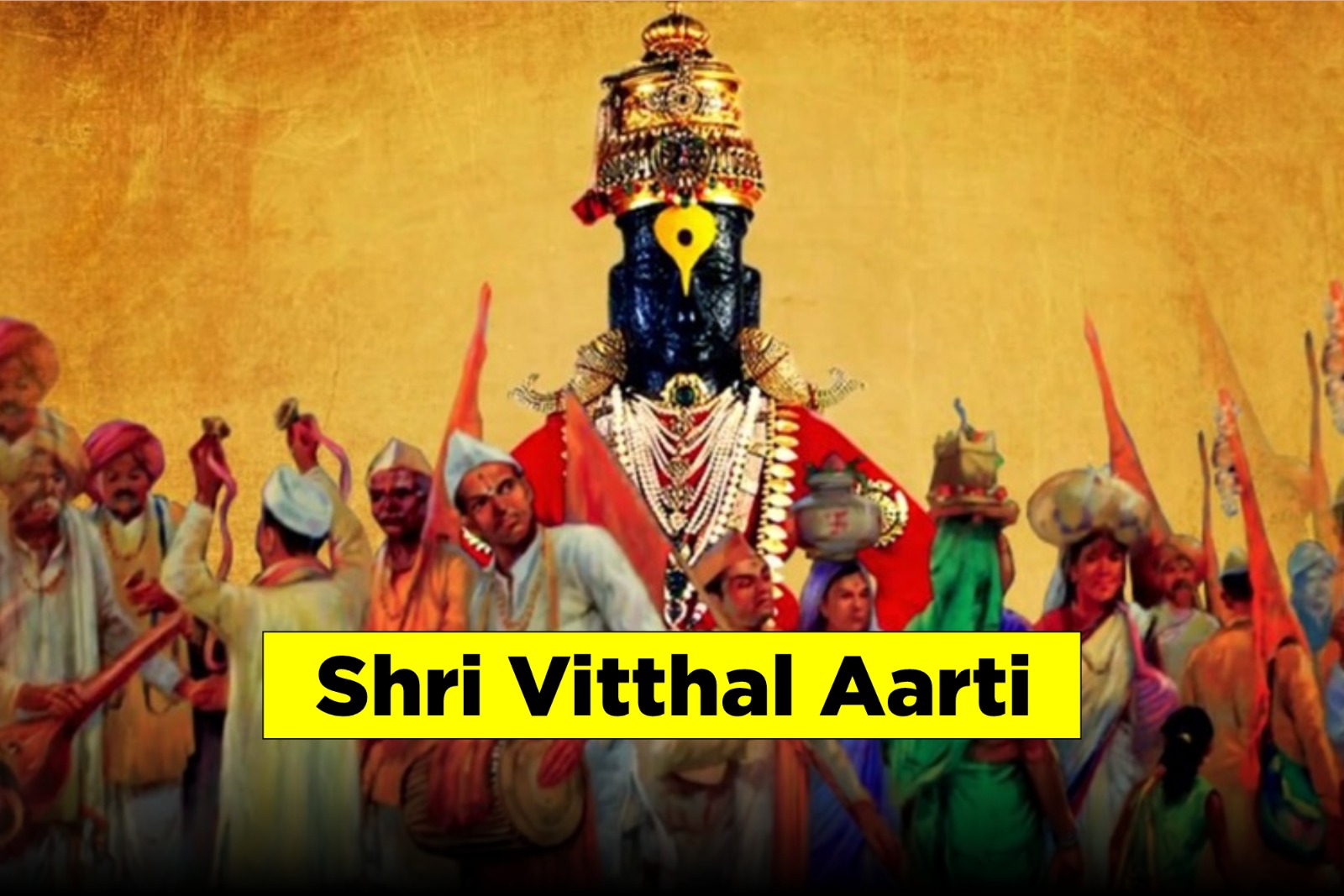
The history of the Wari In the world we live in today, where people are constantly rushing from one task to the next, there’s a tradition that slows everything down, not because it’s slow, but because it teaches us the value of walking together. That tradition is Wari, or Vari Parampara, a centuries-old spiritual journey that brings together millions of devotees every year in Maharashtra. What is Wari? Wari is a pilgrimage where people, called Warkaris, walk for hundreds of kilometres to reach the holy town of Pandharpur, the home of Lord Vitthal (Vithoba), a form of Lord Krishna. They walk with palkhis (palanquins) carrying the footprints or symbolic belongings of saints like Sant Dnyaneshwar and Sant Tukaram. A Tradition of Over 700 Years This incredible tradition has been followed for over 700 years. It started with the teachings of great saints like Sant Dnyaneshwar, Sant Tukaram, Sant Namdev, and many others who believed that God lives among the people, not only in temples. For them, walking together to Pandharpur was a way of expressing love and surrender to Vitthal not just with prayers, but with action, sweat, and shared human spirit. Who Are the Warkaris? Warkaris are not defined by age, caste, class, or education. They are farmers, students, workers, housewives, everyday people with extraordinary faith. Wearing simple white clothes, tulsi malas, and a small bag, they walk joyfully, singing abhangas (devotional songs), playing tal, mridang, and ektara. They help each other, feed strangers, and live simply along the route. There’s no show, no luxury, just pure devotion and community spirit. Lessons from the Wari In today’s digital world, where people often feel disconnected despite being online, the Wari teaches us to reconnect with ourselves and each other. Here’s what Wari gives us: Patience – Walking long distances requires strength and control. Equality – Everyone walks together. No one is above or below. Discipline – Daily prayers, songs, and service bring focus to the mind. Unity – People from different villages, backgrounds, and beliefs move like one big family. Gratitude – Even with minimum resources, Warkaris are filled with joy and thankfulness. Why Wari Still Matters Today It shows us that faith doesn’t need big temples or expensive rituals. It just needs a willing heart and a walking step. In a time when the world needs more love, kindness, and togetherness, the Vari Parampara is not just relevant, it’s necessary. Final Thought You may not be a Warkari, and you may never walk in the Wari. But even learning about it reminds us of what really matters: faith, simplicity, and walking together on life’s path.
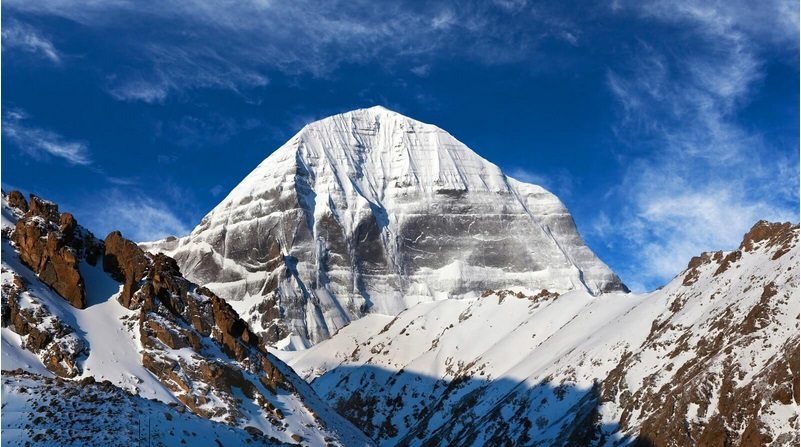
Combining adventure and spirituality, treks to Kedarnath, Kailash Mansarovar, and other Himalayan spots offer both inner peace and natural beauty. Many retreats also include spiritual discourses and group meditation at high-altitude monasteries.
In today's fast-paced digital world, people are increasingly seeking peace, mindfulness, and a deeper connection with their inner self. This has given rise to a wave of spiritual events and retreats across the globe that are gaining massive popularity in 2025. Here’s a look at some of the most trending spiritual events that are drawing thousands of seekers from all walks of life: 1. International Yoga Festival (Rishikesh, India) Held every March at the Parmarth Niketan Ashram in Rishikesh, this week-long event gathers yoga lovers and spiritual leaders from around the world. It's more than just yoga—it's about transformation, meditation, healing music, and cultural exchange. 2. Kumbh Mela (Prayagraj, India) Although the full-scale Kumbh Mela happens every 12 years, mini versions called Ardh Kumbh and Magh Mela are also highly attended. These events are rooted in ancient tradition, where millions gather for a holy dip in sacred rivers believed to cleanse karma and bring spiritual liberation. 3. World Consciousness Forum (USA & Online) This global summit is a meeting ground for modern-day spiritual thinkers, neuroscientists, monks, and authors. The 2025 edition focuses on "Spirituality in the Age of AI", exploring how technology can support higher consciousness rather than distract from it. 4. Full Moon Silent Retreats (Bali & Costa Rica) Silent retreats are becoming a modern spiritual trend, and the full moon versions are especially popular. These retreats allow participants to disconnect from the noise of everyday life and reconnect with nature, inner peace, and spiritual practices like Vipassana meditation. 5. Astro-Spiritual Workshops (Online + India-based centers) With astrology gaining new popularity among youth, astro-spiritual workshops combining birth chart analysis, energy healing, and manifestation techniques are trending. These are ideal for people seeking both guidance and self-discovery.
Shri Vitthal Aarti - श्री विठ्ठल आरती युगे अठावीस विटेवरी उभा । वामांगी रखुमाई दिसे दिव्य शोभा । पुंडलीकाचे मोठे परब्रह्म आले गा । चरणी वाहे भीमा उधळी जळा ।। जय देव जय देव जय पांडुरंगा । रखुमाईवल्लभा रायांच्या वल्लभा । पावे जीवला ।। जय देव तुळशीमाळा गळा कर टाळुची कटी । कासे पितांबर करपुरी ललाटी । देव सुकृत मिणे योनि मीठी । गरुड हनुमंते पुढे उभे राहती ।। जय देव धन्य वेणुनाद आनंदेप्रमाणा । सुपर्णांची कमळे वनमाळा गळा । राय रखुमाई रायाच्या सकळा । ओवाळू आरत्या विठोबा सावळा ।। जय देव ओवाळू आरत्या कुरवंडाच्या देती । चंद्रभागेमध्ये सोडुनिया देती । विठोबा रखुमाई दोघा नाती । पंडरपूरा महिमा वर्णी किती ।। जय देव आम्ही कार्तिकी भक्तजन येती । चंद्रभागेमध्ये स्नान जे करिती । दर्शन घेतल्यामात्रे तुजा होई मुक्ति । केशवासी नामदेव भावे ओवाळिती ।। जय देव Shri Vitthal Aarti - श्री विठ्ठल आरती Yuge Aththavis Vitevari Ubha Vamangi Rakhumai Dise Divya Shobha Pundalikache Bheti Parabrahma Ale Ga Charani Vahe Bhima Uddhari Jaga Jai Deva Jai Deva Jai Panduranga Rakhumai Vallabha Rahichya Vallabha Pave Jivalaga Tulsimala Gala Kar Thevuni Kati Kanse Pitambara Kasturi Lallati Deva Suravara Nitya Yeti Bheti Garuda Hanumanta Pudhe Ubhe Rahti Jai Deva Jai Deva Jai Panduranga Rakhumai Vallabha Rahichya Vallabha Pave Jivalaga Dhanya Venunada Anukshetrapala Suvarnachi Kamale Vanamala Galam Rahi Rakhumabai Raniya Sakala Ovaliti Raja Vithoba Sanvala Jai Deva Jai Deva Jai Panduranga Rakhumai Vallabha Rahichya Vallabha Pave Jivalaga Ovalu Aratya Kurvandya Yeti Chandrabhagemadhye Soduniya Deti Dindya Pataka Vaishanava Nachati Pandharicha Mahima Varnava Kiti Jai Deva Jai Deva Jai Panduranga Rakhumai Vallabha Rahichya Vallabha Pave Jivalaga Ashadhi Kartiki Bhaktajana Yeti Chandrabhagemadhye Snane Je Kariti Darshana Helamatre Tayan Hoya Mukti Keshavasi Namadeva Bhave Ovaliti Jai Deva Jai Deva Jai Panduranga Rakhumai Vallabha Rahichya Vallabha Pave Jivalaga
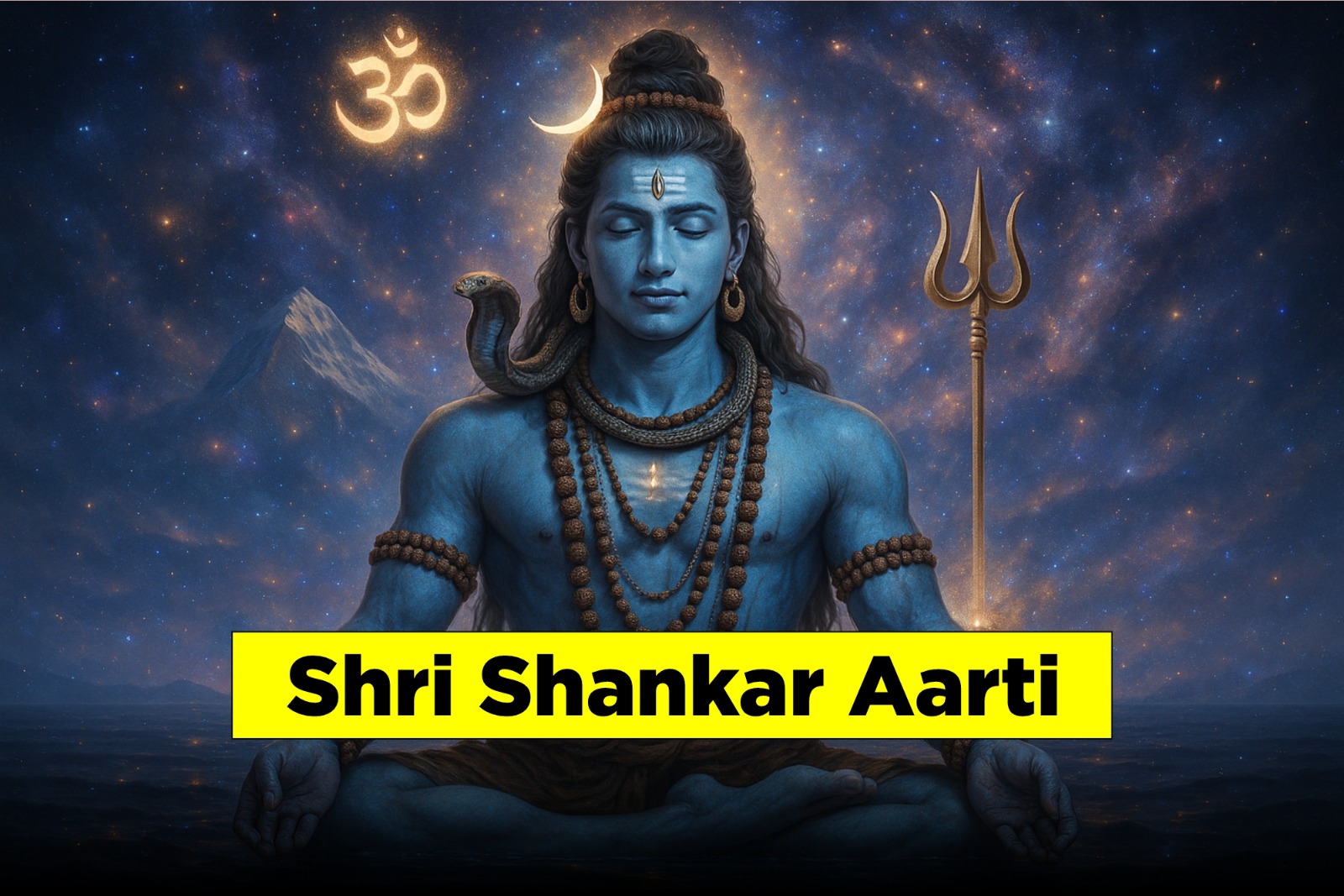
श्री शंकर आरती - Shri Shankar Aarti लवथवती विक्राळ ब्रह्मांडी माळा। विष केंव काळा त्रिनेत्री ज्वाळा। लावक सुरसर मस्तकी टाळा। तेथुनिया जळ निर्मळ वाहे झुळझुळा ।। जय देव जय देव जय देव जय श्री शंकरा । आरती ओवाळू तुज कर्पूरगौरां ।। जय देव कर्पूरीगौर शोभे नचनी विशालां । अर्धांगी पार्वती सुमनांच्या मालां । विघ्नांची उद्धार शिल्पक निलां । ऐसा शंकर शोभे उगमेदेवता ।। जय देव देवी देवता सागर मंथन हे केले । त्यानामाजी अमृताची हलहली जे उठले । ते तुजा अनुसंधान प्राशन केले । नीळकंठ नाम प्रसिद्ध झाले ।। जय देव त्र्यंबक फणिवरसे सुंदर सजविता । पंचानन मनोहर मुनिजन सुवंदिता । शतकोटींची बीज बाळे चेता । रखुंडलिंकायत सगुणता अंतरी ।। जय देव Shri Shankar Aarti - श्री शंकर आरती Lavathavatī vikrāḷa brahmāṇḍī māḷā, Viṣ keṃva kāḷā trinetri jvāḷā। Lāvaka surasara mastakī ṭāḷā, Tethuniyā jaḷa nirmaḷa vāhe jhuḷajhuḷā॥ Jaya Dev Jaya Dev Jaya Shri Shaṅkarā, Ārtī ovāḷū tuj karpūragaurā॥ Jaya Dev॥ Karpūrīgaur śobhe nachanī viśālā, Ardhāṅgī Pārvatī sumanāñchyā mālā। Vighnāñchī uddhār śilpaka nilāṁ, Aisā Shaṅkar śobhe ugamedēvatā॥ Jaya Dev॥ Devī devatā sāgar manthana he kele, Tyānāmājī amṛtāchī halahalī je uṭhale। Te tujā anusandhān prāśan kele, Nīḷkaṇṭha nāma prasiddha jhale॥ Jaya Dev॥ Tryambak phaṇivarse sundar sajavitā, Pañchānan manohar munijan suvanditā। Shatakotiñchī bīj bāḷe cetā, Rakhunḍaliṅkāyat saguṇatā antarī॥ Jaya Dev॥